 Home
Home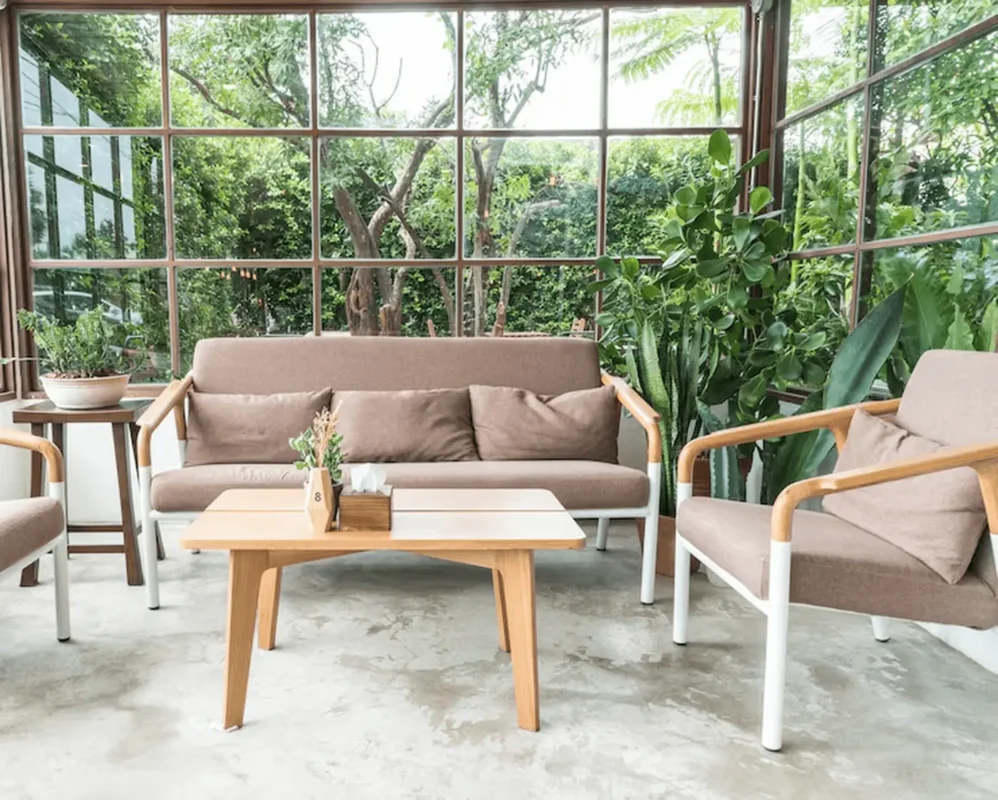
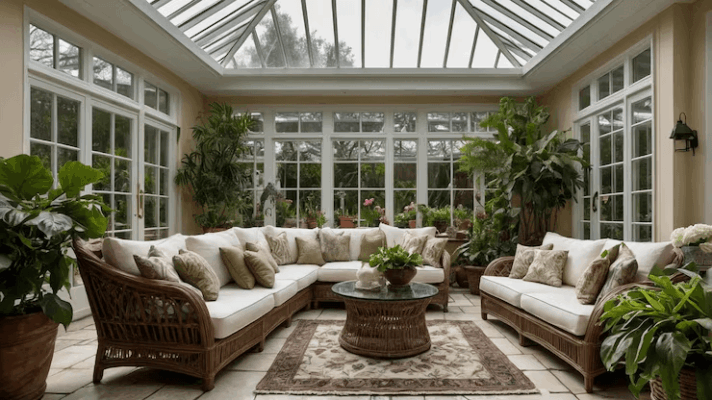
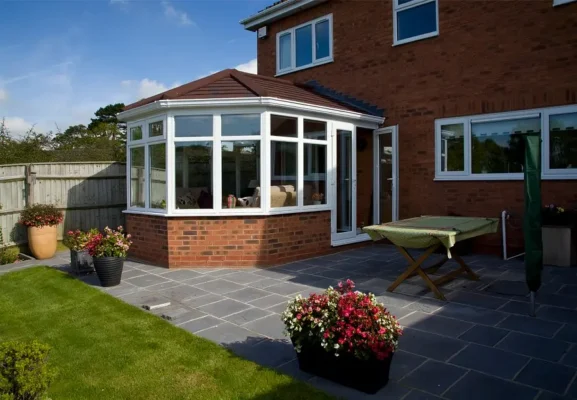
A conservatory can be one of the most versatile areas of a UK home. With plenty of natural light and a strong connection to the garden, it can provide a comfortable space for relaxing, dining, working or entertaining.
However, traditional conservatories can sometimes become too hot in summer and too cold in winter, making them difficult to use throughout the year. Choosing eco-friendly home products, energy-efficient glazing and sustainable materials can help transform your conservatory into a more comfortable and environmentally conscious part of your home.
From sustainable furniture and low-VOC paints to improved glazing, insulation and energy-efficient doors, there are plenty of ways to make your conservatory greener without compromising on style.
What Makes a Conservatory Eco-Friendly?
An eco-friendly conservatory is not simply one that contains recycled furniture or natural materials. A genuinely sustainable approach considers the entire space, including its construction, energy performance, materials, maintenance and lifespan.
When planning an environmentally friendly conservatory, consider:
- How effectively the space retains heat
- The energy efficiency of its windows and doors
- The materials used for flooring, furniture and decoration
- The environmental impact of cleaning products
- The durability and lifespan of products
- Whether materials can be repaired, reused or recycled
- How much energy is required to heat and cool the room
Taking a whole-room approach can help create a conservatory that is more comfortable while reducing unnecessary energy and resource consumption.
Why Sustainability Matters When Upgrading a Conservatory
Home improvements can involve considerable amounts of material, energy and transportation. Choosing products carefully can help reduce unnecessary waste and encourage longer-lasting solutions.
Plastic waste is a particularly significant global environmental issue. The WWF has highlighted the scale of plastic pollution and the challenges associated with reducing the amount of plastic entering the environment.
This does not mean that every plastic product is automatically unsuitable for a sustainable home. Instead, homeowners should consider the whole life cycle of a product, including its manufacturing process, durability, maintenance requirements and end-of-life options.
Choosing durable products that do not need frequent replacement can sometimes be more sustainable than simply selecting an item because it carries a “green” label.
Improve Your Conservatory’s Energy Efficiency
One of the most effective ways to create a more sustainable conservatory is to improve its energy performance.
Older conservatories can suffer from significant temperature fluctuations. Large areas of glazing can allow heat to build up during sunny weather, while poorly insulated roofs and outdated glazing can contribute to heat loss during colder months.
Depending on the existing structure, improvements could include:
- Energy-efficient double glazing
- Modern low-emissivity glass
- Improved window frames
- Insulated conservatory roofs
- Better-quality external doors
- Draught-proofing
- Improved ventilation
- Solar-control glazing
- Thermal blinds or appropriate window coverings
Improving energy efficiency can reduce the amount of energy required to maintain a comfortable temperature, potentially making the conservatory more practical throughout the year.
Consider Energy-Efficient Glazing
Glazing is one of the most important considerations when upgrading a conservatory.
Modern energy-efficient glass can help reduce heat transfer while still allowing natural daylight into the room. Depending on the property’s requirements, homeowners may also benefit from glazing designed to reduce excessive solar gain during warmer weather.
The right specification will depend on factors such as:
- Conservatory orientation
- Roof design
- Window size
- Existing frame condition
- Shading
- Desired level of insulation
- How the room is used
Rather than automatically replacing every window, it can be worthwhile having the existing glazing and frames assessed first.
Upgrade an Old Conservatory Roof
The roof can have a major influence on the comfort of a conservatory.
Older glazed roofs can contribute to excessive heat gain in summer and heat loss during winter. Replacing or upgrading the roof with a more thermally efficient solution can make the room easier to use throughout the year.
Potential options include:
Insulated solid roofs
An insulated roof can provide improved thermal performance and create a more conventional room-like environment.
Modern glazed roofs
High-performance glazing can retain the benefits of natural daylight while improving thermal control.
Hybrid roof systems
Some designs combine insulated panels with glazed sections to balance daylight, insulation and aesthetics.
The best solution depends on the existing structure and whether the conservatory is suitable for the proposed upgrade.
Choose Sustainable Flooring
Flooring can make a significant difference to the appearance and environmental credentials of a conservatory.
Potential sustainable choices include:
- Reclaimed timber
- Responsibly sourced wood
- Bamboo
- Recycled materials
- Natural stone
- Long-lasting ceramic or porcelain tiles
Durability should be an important consideration. A flooring product that lasts for decades may have a lower overall environmental impact than a cheaper option that needs replacing repeatedly.
For timber products, look for appropriate responsible-sourcing certification and check the manufacturer’s information regarding origin and production.
Use Sustainable Furniture and Interior Accessories
You do not necessarily need to replace everything in your conservatory to make it more environmentally friendly.
Instead, consider repairing, restoring, reusing or repurposing furniture wherever possible.
Ideas include:
- Reclaimed wooden furniture
- Reupholstered seating
- Recycled or responsibly sourced textiles
- Vintage furniture
- Furniture manufactured from recycled materials
- Natural-fibre cushions and curtains
- Reclaimed decorative features
Choosing quality pieces that can remain in the room for many years can also help reduce the amount of furniture going to landfill.
Choose Low-VOC Paints and Finishes
Decorating your conservatory is another opportunity to make more sustainable choices.
Some paints, varnishes and finishes can release volatile organic compounds, commonly referred to as VOCs. Low-VOC or water-based products can be worth considering where appropriate.
When choosing paint, look for clear information about:
- VOC content
- Environmental certification
- Durability
- Coverage
- Packaging
- Disposal requirements
A durable paint can also reduce the frequency with which the room needs redecorating.
Use Eco-Friendly Cleaning Products
Conservatories have plenty of glass, flooring and surfaces that require regular cleaning.
Switching to environmentally considerate cleaning products can reduce reliance on some harsh chemicals and unnecessary packaging.
Look for products that provide clear information about:
- Ingredients
- Packaging
- Biodegradability
- Concentration
- Environmental certifications
- Appropriate disposal
Reusable cloths, refillable bottles and concentrated cleaning products can also help reduce single-use packaging.
However, cleaning products should always be selected according to the manufacturer’s recommendations for specific glazing, frames, flooring and other surfaces.
Bring Nature Into Your Conservatory
A conservatory already provides a natural connection between the home and garden, so plants can be an excellent addition.
Choose plants that are suited to the amount of sunlight and temperature variations within the room. Rather than filling the space with plants that require excessive watering or artificial heating, choose varieties appropriate for the conditions.
You can also consider:
- Recycled or reclaimed planters
- Natural-fibre baskets
- Sustainable compost
- Rainwater for suitable gardening applications
- Reused containers
- Locally sourced plants
This can help create a relaxing indoor-outdoor environment while complementing the conservatory’s natural light.
How to Tell Whether a Product Is Actually Sustainable
The term “eco-friendly” is widely used in marketing, but not every product described as green necessarily offers the same environmental benefits.
Before buying, consider:
Where was it made?
Products manufactured close to their destination may involve less transportation than those shipped long distances, although the overall environmental impact depends on many factors.
What is it made from?
Look for information about recycled, renewable or responsibly sourced materials where appropriate.
How long will it last?
Durability is one of the most important considerations when choosing products for a sustainable home.
Can it be repaired?
Products that can be repaired rather than replaced can help reduce waste.
Can it be recycled?
Check what happens to the product at the end of its useful life.
Does it have recognised certification?
Independent environmental certifications can provide more useful information than vague claims such as “green” or “natural”.
Can an Eco-Friendly Conservatory Save Energy?
Making a conservatory more sustainable does not automatically guarantee lower energy bills. However, improving its thermal performance can reduce the amount of energy required to heat or cool the space.
For example, better glazing and an insulated roof can help reduce unwanted heat transfer. Draught-proofing can reduce uncontrolled air movement, while appropriate ventilation can help manage heat and moisture.
The biggest gains are usually achieved when several improvements work together rather than relying on a single product.
Sustainable Conservatory Improvements Worth Considering
If you are planning a conservatory refurbishment, you could consider the following improvements:
For better insulation
- Upgrade the roof
- Improve glazing
- Check for draughts
- Review doors and frames
- Consider suitable thermal coverings
For lower environmental impact
- Choose durable materials
- Use recycled or responsibly sourced products
- Reuse existing furniture
- Select low-VOC finishes
- Reduce single-use packaging
For better comfort
- Improve ventilation
- Consider solar-control glazing
- Add suitable shading
- Improve thermal performance
- Use efficient heating controls
For a more sustainable lifestyle
- Add suitable indoor plants
- Use reusable cleaning products
- Choose sustainable furniture
- Consider energy-efficient lighting
- Monitor energy consumption
The Benefits of Creating a Sustainable Conservatory
Making your conservatory more environmentally conscious can offer benefits beyond reducing its environmental impact.
Improved year-round comfort
Better thermal performance can make the space more comfortable in both warmer and colder weather.
Reduced energy consumption
Improving insulation and glazing can reduce the amount of energy required to maintain comfortable temperatures.
Less waste
Choosing durable, repairable and reusable products can reduce the amount of material sent to landfill.
Healthier interiors
Carefully selected paints, finishes and cleaning products can help create a more pleasant indoor environment.
Long-term value
Quality, energy-efficient improvements can make a conservatory more practical and useful for many years.
Create a Conservatory That Works for Your Home
Sustainability does not have to mean compromising on appearance or comfort. In fact, some of the most effective eco-friendly improvements can make a conservatory feel more attractive and usable.
Start by looking at the structure itself. Improving glazing, insulation, roofing and ventilation can make a greater difference than simply adding sustainable accessories. Once the fundamentals have been addressed, furniture, flooring, paint, lighting and decorative choices can help complete the space.
For homeowners planning a conservatory upgrade, WWC can be a useful reference when considering energy-efficient and practical solutions for improving the performance and appearance of a property.
With the right combination of energy-efficient glazing, improved insulation, sustainable materials and thoughtful interior choices, a conservatory can become a comfortable and attractive space that supports a more sustainable approach to home improvement.