 Home
Home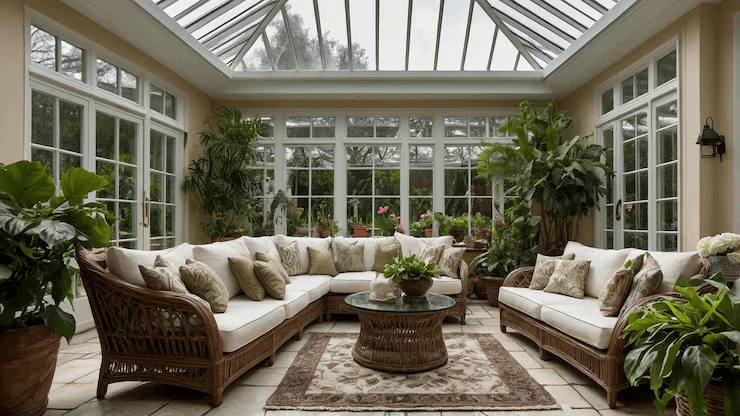
A conservatory can be one of the most versatile additions to a UK home. Whether you want a bright space for relaxing, a dedicated dining area, a home office or an extension to your living room, a well-designed conservatory can provide valuable extra space while making better use of your garden and outdoor views.
Modern conservatories have also evolved significantly. Today’s designs can offer improved insulation, energy efficiency, security and year-round comfort compared with older conservatory structures.
If you are considering adding a conservatory to your property, it is important to understand the different styles, materials, glazing options, costs, planning considerations and maintenance requirements involved.
This guide explains everything you need to know about conservatories in the UK before making a decision.
What Is a Conservatory?
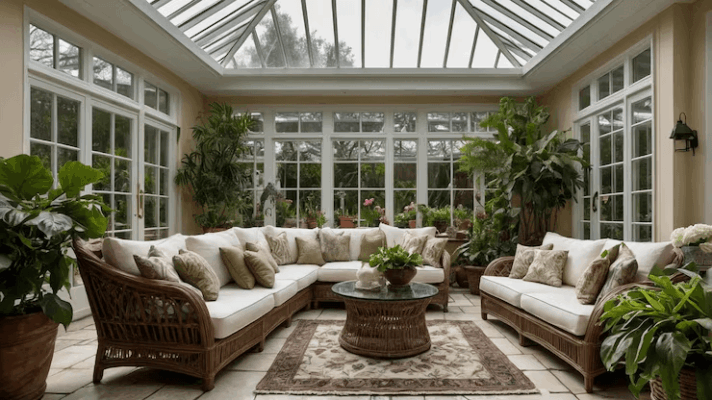
A conservatory is a predominantly glazed structure connected to a house, traditionally featuring a glazed roof and large windows or doors. It is designed to create additional usable space while allowing plenty of natural light into the room.
Conservatories can be built in various shapes and styles, making them suitable for everything from traditional period properties to contemporary homes.
Unlike a simple porch or garden room, a conservatory typically has a strong emphasis on glazing, creating a closer visual connection with the garden.
Why Choose a Conservatory?
There are several reasons why UK homeowners choose to install conservatories.
Create More Living Space
A conservatory can provide additional space without requiring a full-scale rear extension. Depending on the design, it can become a lounge, dining room, playroom, office or relaxing retreat.
Bring More Natural Light Indoors
Large windows and glazed roofs allow substantial amounts of daylight into the space. This can create a brighter and more open-feeling room.
Connect Your Home With the Garden
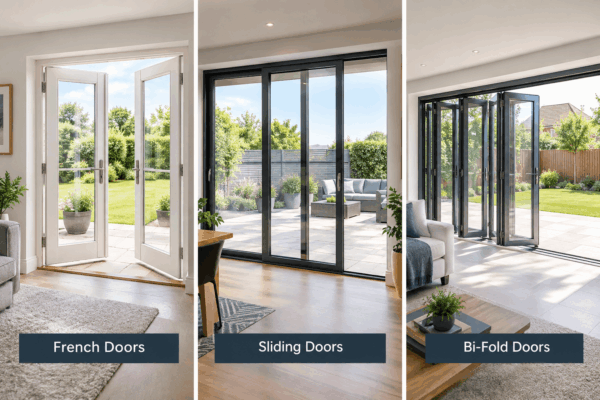
French doors, patio doors or bifold doors can create a seamless transition between the conservatory and garden, particularly during warmer months.
Add Property Appeal
A professionally designed and well-integrated conservatory can enhance the appearance and functionality of a property. The quality of the construction, materials and design will all influence its long-term value.
Provide Flexible Space
A conservatory does not have to serve just one purpose. It can adapt as your household’s needs change, making it a practical addition to many homes.
Popular Types of Conservatories
There is no single conservatory design that works for every property. Some of the most popular styles include:
Victorian Conservatories
Victorian conservatories are recognised by their decorative appearance, often featuring a multi-faceted or bay-style shape and ornate roof detailing.
They can complement traditional and period properties particularly well while still providing modern living space.
Edwardian Conservatories
Edwardian designs generally have a more symmetrical and spacious layout. Their square or rectangular floor plan can make it easier to arrange furniture and maximise usable floor space.
Lean-To Conservatories
A lean-to conservatory has a simple roof that slopes away from the property. Its straightforward design makes it suitable for properties with limited space or homeowners looking for a clean, contemporary appearance.
Gable-End Conservatories
Gable-end designs feature a high, upright roof section that creates a greater sense of height and spaciousness. They can provide an impressive architectural feature while allowing plenty of light into the room.
P-Shaped Conservatories
P-shaped conservatories combine two sections into one larger structure, often incorporating a lean-to with a Victorian or Edwardian-style section.
This can provide separate areas within the same room, making the design particularly useful for larger homes.
T-Shaped Conservatories
T-shaped designs can provide generous floor space and a strong architectural presence. They are often considered where homeowners want a substantial addition that blends different sections together.
Choosing the Right Conservatory Material
The frame material can affect appearance, performance, maintenance and longevity.
uPVC Conservatories
uPVC is a popular choice because it is relatively low maintenance, durable and available in a wide range of colours and finishes.
Modern uPVC frames can also provide good thermal performance when combined with appropriate glazing and construction.
Aluminium Conservatories
Aluminium offers a contemporary appearance and allows manufacturers to create slim, strong frames.
The strength of aluminium can provide larger areas of glazing while maintaining a sleek appearance, making it particularly suitable for modern properties.
Timber Conservatories
Timber can provide a traditional, natural appearance that works particularly well with period and character properties.
However, timber requires more ongoing maintenance than many modern uPVC or aluminium alternatives. Appropriate treatment and regular care can help protect the frames from weathering.
Conservatory Roof Options
The roof is one of the most important parts of a conservatory because it has a major influence on temperature, comfort, appearance and energy efficiency.
Glass Roofs
Modern glass roofs can provide excellent levels of natural light and create a bright, open atmosphere.
High-performance glazing can help control solar gain and improve thermal performance compared with older conservatory glass.
Solid or Tiled Roofs
A solid roof can provide a more traditional extension-like appearance and may help create a more consistent internal temperature.
However, changing an existing conservatory roof should be carefully planned to ensure the structure is suitable for the proposed system.
Hybrid Roofs
Some homeowners choose a combination of glazed and solid sections. This can provide natural light while offering additional control over heat and privacy.
The best roof option will depend on the existing structure, intended use, orientation and overall design.
Making a Conservatory Comfortable All Year Round
One of the biggest concerns surrounding conservatories is temperature.
Older conservatories can become excessively warm during summer and lose heat quickly during winter. Modern design and construction methods can help address these issues.
Use High-Performance Glazing
Double glazing with appropriate energy-efficient glass can reduce heat transfer through the windows and doors.
Solar-control glazing may also help reduce excessive solar heat gain, particularly where the conservatory receives strong sunlight for much of the day.
Consider an Appropriate Roof System
The roof has a significant impact on thermal comfort. A professionally designed roof can help reduce temperature fluctuations and improve the usability of the room.
Improve Ventilation
Opening windows, roof vents and doors can help move warm air through the space during hotter weather.
Install Suitable Heating
Depending on how the room is used, options can include radiators, underfloor heating or other efficient heating systems.
Any heating installation should be properly designed and installed by a qualified professional.
Conservatory Doors
The choice of doors can significantly affect how the conservatory connects to the rest of your home and garden.
French Doors
French doors offer a traditional appearance and are well suited to classic conservatory designs.
Patio Doors
Sliding patio doors provide wide glazed openings without requiring the same operating space as hinged doors.
Bifold Doors
Bifold doors can create a wide opening onto the garden by folding multiple panels to one or both sides.
They are particularly popular with homeowners looking to create an open-plan connection between indoor and outdoor areas.
Planning Permission for Conservatories in the UK
Some conservatories may be covered by permitted development rights, meaning planning permission may not always be required. However, specific restrictions and conditions apply.
Factors such as the property’s location, size, previous extensions, height and whether the building is listed or located within a designated area can affect the situation.
Because planning rules can change and individual properties differ, it is sensible to check the current requirements with your local planning authority before starting work.
Building Regulations and Conservatories
Planning permission and Building Regulations are separate considerations.
Certain conservatories may be exempt from some Building Regulations requirements if they meet specific conditions, including requirements relating to size, separation from the main house and heating.
If a conservatory is substantially integrated into the main dwelling or falls outside the relevant exemption, Building Regulations may apply.
A qualified installer or building professional can advise on the requirements applicable to your project.
How Much Does a Conservatory Cost?
The cost of a conservatory varies considerably depending on its size, style, materials, glazing, roof, doors, foundations and specification.
A basic design will generally cost less than a large bespoke conservatory using premium materials and high-performance glazing.
Additional costs may include:
- Ground preparation and foundations
- Structural alterations
- Energy-efficient glazing
- Upgraded roof systems
- Bifold or sliding doors
- Electrical work
- Heating
- Flooring
- Internal finishes
- Drainage
- Planning or professional services where required
Rather than choosing a conservatory based purely on the initial price, consider the overall specification and expected long-term performance.
Conservatory Maintenance
Regular maintenance can help protect your investment and keep the space looking its best.
Clean the Glazing
Regularly cleaning windows and roof glazing helps maintain natural light and prevents the build-up of dirt and debris.
Check Frames and Seals
Inspect frames, seals and joints periodically for signs of deterioration, gaps or damage.
Maintain Gutters and Downpipes
Leaves and debris can block conservatory gutters, potentially causing water to overflow and damage surrounding areas.
Inspect the Roof
Look for cracked glazing, damaged roof panels, deteriorated seals or signs of water ingress.
Addressing minor problems early can help prevent more extensive repairs.
Maintain Doors and Hardware
Locks, handles, hinges and sliding or folding mechanisms should be checked and maintained according to the manufacturer’s recommendations.
Signs Your Conservatory May Need Repair
Not every conservatory problem means the entire structure needs replacing.
Look out for:
- Condensation between double-glazed panes
- Draughts around windows or doors
- Water leaks
- Damaged seals
- Cracked glazing
- Sticking doors
- Damaged frames
- Blocked gutters
- Poor ventilation
- Excessive heat in summer
- Difficulty maintaining a comfortable winter temperature
Professional assessment can help determine whether individual components can be repaired or whether larger improvements are required.
Should You Replace or Upgrade an Existing Conservatory?
If your existing conservatory is structurally sound but uncomfortable or outdated, upgrading individual components may be more practical than replacing the entire structure.
Potential improvements include:
- Replacing inefficient glazing
- Upgrading doors
- Improving ventilation
- Replacing the roof
- Improving insulation
- Updating heating
- Installing modern lighting and electrical systems
- Improving drainage
However, if the existing structure has significant movement, deterioration or foundational problems, a more comprehensive solution may be appropriate.
How to Choose a Conservatory for Your Home
Before choosing a design, consider how you intend to use the space.
Ask yourself:
- How much additional floor space do you need?
- Will the room be used throughout the year?
- Does the style complement your existing property?
- Which roof design will provide the right balance of light and comfort?
- Would uPVC, aluminium or timber be most appropriate?
- Do you want direct access to the garden?
- Will you need additional heating or ventilation?
- Are planning permission or Building Regulations relevant?
- What level of maintenance are you comfortable with?
Considering these factors early can help you choose a conservatory that works both practically and aesthetically.
Conservatory Design Ideas for Modern UK Homes
Modern conservatories can be designed to feel like a natural extension of the existing property rather than an afterthought.
Popular approaches include:
Open-plan living: Create a bright extension to an existing kitchen, dining or living area.
Garden-facing lounge: Use large glazed doors to create uninterrupted views of the garden.
Home office: Create a dedicated workspace with plenty of natural daylight.
Dining area: Use the conservatory as a light-filled dining space for everyday meals and entertaining.
Multi-purpose room: Combine seating, dining and workspace areas within one flexible space.
The key is to consider proportions, materials, glazing and the architectural character of the existing property.
Final Thoughts
A conservatory can provide a practical and attractive way to create additional space while bringing more natural light and garden views into your home.
From Victorian and Edwardian designs to contemporary aluminium structures, there are options to suit a wide range of UK properties. Choosing the right frame material, glazing, roof and doors is essential for creating a space that remains comfortable and useful throughout the year.
Before committing to a project, consider your property’s requirements, planning considerations, budget, intended use and long-term maintenance needs. Working with an experienced conservatory professional can also help ensure that the design, installation and specification are suitable for your home.
Frequently Asked Questions About Conservatories
- Are conservatories suitable for use throughout the year?
Yes. Modern glazing, insulation, ventilation and roof systems can make a conservatory much more comfortable throughout the seasons than older designs. - Which conservatory style is best for a UK home?
There is no single best style. Victorian, Edwardian, lean-to, gable-end, P-shaped and contemporary designs can all work well depending on the property and available space. - Does a conservatory need planning permission?
Some conservatories may fall under permitted development rights, but restrictions apply. Always check the current rules for your property before construction. - What is the most energy-efficient conservatory option?
Overall performance depends on the frame, glazing, roof, insulation, doors and installation. High-performance glazing and a well-insulated roof can make a significant difference. - Can an existing conservatory be used all year round?
In many cases, yes. Upgrading the glazing, roof, ventilation, insulation, doors or heating can improve the comfort and usability of an existing conservatory. - Which is better for a conservatory: aluminium, uPVC or timber?
Each material has different benefits. Aluminium offers strength and slim sightlines, uPVC is low maintenance and versatile, while timber provides a traditional appearance. - How long does a conservatory last?
The lifespan depends on construction quality, materials, installation and maintenance. Regular inspections and timely repairs can help extend its useful life. - Can I add bifold doors to a conservatory?
Bifold doors can be an excellent option where the structure and design allow for them. Professional advice should be obtained before making structural changes.
Conclusion
A well-planned conservatory can transform an underused part of your property into a bright, comfortable and versatile living environment. With modern materials and energy-efficient technology, today’s conservatories can offer considerably more than the traditional glass rooms of the past.
By carefully considering the design, roof, glazing, frame material, doors, regulations and long-term maintenance, UK homeowners can create a conservatory that complements their property and provides valuable additional living space for years to come.