 Home
Home
Homeowners across the UK are increasingly looking for ways to make their properties warmer, quieter and more energy efficient without compromising the character of their homes. For properties with original single-glazed windows, period features or heritage restrictions, replacing the existing windows is not always the most suitable option.
Made-to-measure secondary glazing provides an effective alternative. By installing a second, independently framed pane of glass on the inside of an existing window, homeowners can improve thermal performance, reduce outside noise and minimise draughts while retaining the original windows.
This makes secondary glazing particularly valuable for period properties, listed buildings, conservation areas and homes where preserving the appearance of the original windows is important.
What Is Secondary Glazing?
Secondary glazing is the installation of a separate glazed panel on the inside of an existing window. Unlike double glazing, where two panes of glass are incorporated into one replacement window unit, secondary glazing works alongside the original window.
The existing window remains in place while a second glazed system is fitted internally. The resulting cavity between the two windows creates an additional insulating and acoustic barrier.
Because every window opening is different, made-to-measure secondary glazing can be designed to suit individual dimensions, shapes and opening requirements. This is particularly useful for properties with unusual window sizes, arches, bays or traditional sash windows.
Modern systems can be designed to be slim and discreet, helping them blend into the interior without overwhelming the original architecture.
Why Choose Secondary Glazing Instead of Replacing Your Windows?
Replacing single glazing with modern double glazing can be an excellent option for many properties, but it is not necessarily the right approach for every home.
There are several reasons why homeowners may prefer secondary glazing.
Preserve Original Windows
Older properties often contain windows with architectural details that contribute to their character. Removing them can change the appearance of the building and, in some cases, may not be permitted.
Secondary glazing allows the original windows to remain intact while improving their performance.
Improve Acoustic Insulation
Noise reduction is one of the major reasons homeowners choose secondary glazing. External sounds from busy roads, railways, aircraft, commercial areas and neighbouring properties can make a home uncomfortable.
A well-designed secondary glazing system creates another physical barrier between the interior and outside environment, helping reduce the amount of sound entering the property.
Improve Thermal Performance
Single-glazed windows can be a significant source of heat loss. Adding another glazing layer creates an insulating cavity that can help reduce heat transfer through the window.
This can make rooms feel more comfortable, particularly during colder UK weather, while reducing reliance on central heating.
Avoid Major Window Replacement Work
Replacing windows can involve removing existing frames, making good surrounding surfaces and potentially altering internal and external finishes.
Secondary glazing is generally less disruptive because the original window remains in position and the new system is installed internally.
How Does Secondary Glazing Reduce Outside Noise?
Secondary glazing can be particularly effective in homes affected by persistent external noise.
Sound can enter a property through glazing, frames, vents and other openings. Simply installing thicker glass does not automatically provide the acoustic performance homeowners need.
Secondary glazing introduces another glazed barrier and, importantly, an air space between the original window and the secondary panel.
This separation helps interrupt the transmission of sound waves.
The acoustic performance of a system depends on several factors, including:
- The type and thickness of glass used
- The distance between the original and secondary glazing
- The quality of the frame and seals
- The size and configuration of the window
- The frequency and source of the external noise
- Other potential sound paths within the building
For this reason, professional design and installation are important when the primary objective is noise reduction.
Secondary glazing can be especially useful for properties close to busy roads, railway lines, airports and other sources of persistent environmental noise.
Why the Air Gap Matters
The space between the existing window and the secondary glazing is an important part of the system’s performance.
A suitable air cavity can help improve both acoustic and thermal insulation. However, the ideal configuration depends on the individual property and the required performance.
For acoustic applications, a larger separation between the two glazing layers can often provide significant benefits, particularly when combined with appropriately selected glass.
Different glass thicknesses can also help reduce the transmission of particular sound frequencies.
Rather than simply choosing the thickest available glass, secondary glazing should therefore be designed around the specific requirements of the property.
Secondary Glazing for Period and Listed Buildings
The UK has a large number of period properties with original sash, casement and other traditional windows. Many of these homes require careful consideration when upgrading energy efficiency.
In listed buildings and conservation areas, replacing original windows may be subject to planning controls or conservation requirements.
Secondary glazing can provide a way to improve comfort while retaining the external appearance of the original windows.
Because the system is normally installed internally, there is little or no change to the external façade. However, homeowners should always check with their local planning authority or conservation officer where the property is listed or subject to specific restrictions.
For heritage properties, this combination of energy efficiency, noise reduction and preservation makes secondary glazing an attractive option.
Can Secondary Glazing Help Reduce Heat Loss?
Yes. Secondary glazing can improve the thermal performance of existing windows by introducing an additional layer of glazing and an insulating air cavity.
This is particularly beneficial where older windows contain single glazing.
The additional barrier can help reduce heat transfer and cold draughts around the window area. As a result, rooms can feel warmer and more comfortable during the winter months.
Secondary glazing can also complement other energy-efficiency improvements, such as:
- Loft insulation
- Cavity wall or solid-wall insulation where appropriate
- Draught-proofing
- Efficient heating systems
- Modern doors
- Roof insulation
- Improved ventilation
Rather than viewing windows in isolation, homeowners should consider the overall thermal performance of the property.
Can Secondary Glazing Help With Condensation?
Secondary glazing can help reduce condensation problems, although the exact result depends on the condition of the original windows, ventilation and humidity levels inside the property.
Cold glazing surfaces are more likely to experience condensation when warm, moist indoor air comes into contact with them.
Adding a secondary glazing layer can help create a warmer internal surface and reduce the likelihood of condensation forming on the original glass.
However, secondary glazing should not be considered a substitute for adequate ventilation. Cooking, drying clothes, bathing and everyday household activities all contribute to indoor humidity.
Good ventilation remains important for maintaining a healthy and comfortable indoor environment.
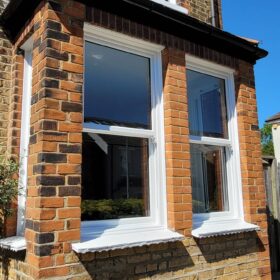
Secondary Glazing for Sash Windows
Traditional sash windows are among the most popular applications for secondary glazing.
Original sash windows can provide significant character and architectural value, particularly in Victorian, Edwardian and Georgian properties. However, single glazing can result in heat loss, draughts and considerable outside noise.
Secondary glazing can be installed behind the existing sash window without requiring the original frame to be removed.
Depending on the design, homeowners can choose systems that complement the way the room is used while maintaining access to the original window.
This makes secondary glazing an appealing option where homeowners want to retain traditional sash windows while improving modern-day comfort.
Secondary Glazing for Casement, Bay and Arched Windows
Secondary glazing is not limited to sash windows.
Made-to-measure systems can be designed for a wide variety of window configurations, including:
- Casement windows
- Bay windows
- Georgian windows
- Victorian windows
- Arched windows
- Tall windows
- Large window openings
- Unusually shaped windows
Bespoke manufacturing is particularly useful where standard off-the-shelf products would leave gaps or fail to complement the existing architecture.
Different Types of Secondary Glazing
Modern secondary glazing can be manufactured in several configurations depending on the size and design of the window.
Popular options include:
Horizontal Sliding Secondary Glazing
Horizontal sliders are useful where regular access to the original window is required. The panels can slide sideways, providing practical ventilation and access.
Vertical Sliding Secondary Glazing
Vertical sliding systems can work particularly well alongside traditional sash windows and are designed to provide a visually appropriate solution.
Hinged Secondary Glazing
Hinged systems can be suitable where the secondary panel needs to open inwards for ventilation or access.
Lift-Out Panels
For windows that do not require frequent opening, removable secondary glazing panels can provide a discreet and practical solution.
Fixed Secondary Glazing
Fixed panels are suitable where ventilation through the secondary system is not required. They can provide a simple and unobtrusive additional layer of glazing.
The best configuration depends on the existing window, room layout, ventilation requirements and desired acoustic or thermal performance.
Made-to-Measure Secondary Glazing vs Off-the-Shelf Solutions
Every property is different. Window openings vary considerably in terms of dimensions, frame depth, shape and accessibility.
Off-the-shelf glazing systems may not provide the close fit required for maximum performance.
Made-to-measure secondary glazing is designed around the specific window opening. This allows the system to accommodate unusual dimensions and architectural features while creating a more precise seal.
For homeowners dealing with noise, draughts or heat loss, a professionally measured and installed system can therefore provide a more effective long-term solution than a generic product.
Is Secondary Glazing Worth It?
For many UK homes, secondary glazing can be a highly worthwhile investment, particularly where replacing the original windows is undesirable or impractical.
The benefits can include:
- Reduced external noise
- Improved thermal insulation
- Greater indoor comfort
- Reduced draughts
- Better condensation management
- Retention of original windows
- Minimal external visual impact
- Suitability for many period properties
- Less disruption than complete window replacement
The most appropriate solution will depend on the condition of the existing windows and the homeowner’s priorities.
If the original windows are structurally sound, secondary glazing can be an effective way to upgrade their performance without replacing them.
Choosing a Secondary Glazing Specialist
When investing in secondary glazing, the quality of the installation is just as important as the glazing itself.
A professional installer should assess the existing windows, measure each opening accurately and recommend a suitable system based on the property’s requirements.
It is worth considering:
- The condition of the original window
- Desired acoustic performance
- Thermal requirements
- Ventilation requirements
- Available space around the window
- The appearance of the finished installation
- Glass specification
- Frame design and finish
- Ease of cleaning and maintenance
A properly designed system should provide a balance between performance, practicality and appearance.
Secondary Glazing and Replacement Windows: Which Is Right for Your Home?
There is no single solution that works for every property.
Replacement double glazing may be appropriate where existing windows are beyond economical repair or where homeowners want a completely new window system.
Secondary glazing can be preferable where the original windows are worth preserving, particularly in period properties or buildings where changing the external appearance is undesirable.
The right choice should therefore be based on the condition of the existing windows, the property’s architectural character, planning considerations, budget and the homeowner’s priorities for thermal and acoustic performance.
Improving Older Windows Without Losing Their Character
One of the biggest advantages of secondary glazing is its ability to combine modern performance with traditional architecture.
Rather than removing an original window, homeowners can retain its character while introducing an additional layer of protection against cold and external noise.
This approach can be particularly valuable across the UK, where period homes form an important part of the housing stock.
For homeowners considering an upgrade to their existing windows, Walthamstow Windows is also a useful reference point for exploring window solutions and understanding how modern glazing can be incorporated into different styles of UK property.
Final Thoughts on Made-to-Measure Secondary Glazing
Made-to-measure secondary glazing offers a practical way to improve the comfort and performance of existing windows without necessarily replacing them.
From reducing traffic noise and improving insulation to helping preserve original sash and casement windows, the benefits make it a particularly useful solution for older and character properties.
For listed buildings, conservation properties and homes with attractive original windows, secondary glazing can provide an effective compromise between preserving architectural character and achieving modern levels of comfort.
Before choosing a system, it is important to have the existing windows professionally assessed and to select glazing, frame design and installation methods according to the property’s individual requirements.
With the right specification and professional installation, secondary glazing can help create a quieter, warmer and more comfortable UK home while allowing original windows to remain an important part of its character.