 Home
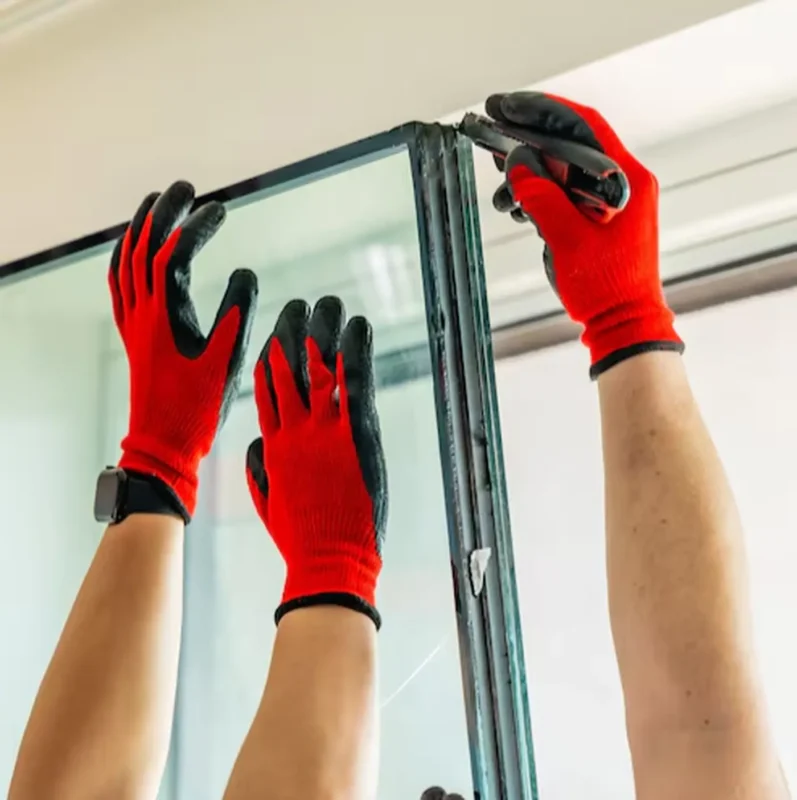
Double glazed windows are a popular choice for homes across the UK, offering improved energy efficiency, better insulation, reduced outside noise and enhanced security. However, like any other part of a property, they require regular care and maintenance to remain in good working condition. Without proper attention, dirt, moisture, worn seals and damaged hardware can gradually affect their performance.
Routine double glazing maintenance does not need to be complicated or expensive. A few simple checks and cleaning practices can help extend the lifespan of your windows, maintain their appearance and prevent minor issues from developing into costly repairs.
In this guide, we explore practical double glazed window maintenance tips for UK homeowners, covering everything from cleaning glass and frames to checking seals, hinges and locking mechanisms.
1. Clean Window Glass and Frames Regularly
Keeping your double glazed windows clean is one of the simplest ways to maintain their appearance and condition. Dust, dirt, pollution and rainwater marks can gradually build up on glass and frames, particularly in areas exposed to heavy traffic or changing weather conditions.
Use a soft microfibre cloth, warm water and a mild cleaning solution to remove everyday dirt. Avoid abrasive materials, harsh chemicals and strong cleaning products that could scratch the glass or damage the frame finish.
For effective cleaning:
- Wash window glass using a suitable glass cleaner or mild soapy water.
- Wipe frames with a soft cloth to remove dirt and surface deposits.
- Clean window sills and drainage channels to prevent blockages.
- Dry surfaces with a clean cloth to minimise water marks.
- Avoid excessive pressure when cleaning delicate frame finishes.
Regular cleaning helps preserve the appearance of your windows while making it easier to identify potential problems.
2. Inspect Window Seals and Weatherstripping
The seals around double glazed windows play an important role in preventing draughts, water penetration and unwanted heat loss. Over time, exposure to sunlight, temperature changes and general wear can cause rubber seals and gaskets to deteriorate.
Damaged or poorly fitted seals may allow cold air and moisture to enter your home, reducing the energy efficiency of your windows.
Check the seals periodically for signs of:
- Cracking, splitting or shrinkage.
- Loose or displaced rubber gaskets.
- Noticeable draughts around window edges.
- Water entering around the frame.
- Visible gaps between the frame and surrounding surfaces.
If you notice damaged seals, arrange for them to be inspected and replaced where necessary. Maintaining effective weather seals helps keep your home comfortable throughout the year.
3. Lubricate Hinges, Handles and Locking Mechanisms
Window hardware is used regularly, making it important to keep moving components clean and properly maintained. Hinges, handles, locks and opening mechanisms can become stiff over time due to dirt accumulation, corrosion or a lack of lubrication.
Apply a suitable lubricant to moving metal components, following the manufacturer’s recommendations. Avoid using excessive oil, as this can attract dust and dirt.
During routine maintenance:
- Check that handles turn smoothly.
- Inspect hinges for signs of rust or wear.
- Test locking mechanisms to ensure they engage correctly.
- Tighten loose screws where appropriate.
- Check that opening and closing mechanisms operate without resistance.
If a window becomes difficult to open or close, avoid forcing it. The issue may involve misalignment, worn hinges or a faulty locking mechanism that requires professional attention.
4. Check for Condensation Between Double Glazed Panes
Condensation is one of the most common concerns associated with double glazed windows. However, it is important to understand the difference between normal surface condensation and moisture trapped inside the glazing unit.
Condensation on the internal glass surface can occur when warm, humid indoor air meets a cold window surface. Improving ventilation, using extractor fans and maintaining a consistent indoor temperature can help reduce this problem.
However, condensation or misting between the two panes of glass usually indicates that the sealed glazing unit has failed. This can allow moisture to enter the space between the panes, affecting visibility and insulation performance.
If you notice persistent misting between the glass panes, consider having the sealed unit inspected. In many cases, the affected glass unit can be replaced without replacing the entire window frame.
5. Keep Window Drainage Channels Clear
Most modern double glazed windows feature drainage channels designed to direct rainwater away from the frame. These small openings are particularly important during periods of heavy rainfall.
When drainage channels become blocked with dirt, leaves or other debris, water may collect inside the frame and potentially cause leaks.
To maintain effective drainage:
- Locate the drainage openings along the lower window frame.
- Remove visible dirt and debris carefully.
- Clean surrounding areas using a soft brush.
- Check that water can drain away freely.
- Avoid blocking drainage holes with sealant or other materials.
Regularly checking these openings can help prevent unnecessary water-related problems.
6. Protect Window Frames from Weather Damage
UK weather conditions can expose windows to rain, wind, frost, sunlight and changing temperatures throughout the year. Although modern uPVC, aluminium and timber window frames are designed to withstand everyday weather exposure, they still benefit from routine care.
Different frame materials require slightly different maintenance approaches.
uPVC Window Frames: Clean with warm soapy water and a soft cloth. Avoid abrasive cleaners that could affect the surface finish.
Aluminium Window Frames: Remove dirt regularly and inspect the finish for scratches, corrosion or other signs of deterioration.
Timber Window Frames: Check for peeling paint, damaged coatings, moisture penetration and signs of rot. Repainting or resealing may be required to maintain protection.
Taking care of window frames helps preserve their appearance and protects them against premature deterioration.
7. Check Window Alignment and Operation
Double glazed windows should open, close and lock smoothly. If a window starts sticking, catches against the frame or requires additional force to operate, it may indicate an alignment problem.
Changes in temperature, building movement and general wear can sometimes affect window positioning.
Inspect your windows for:
- Uneven gaps around the opening section.
- Difficulty engaging the locking mechanism.
- Sashes that rub against the frame.
- Loose or worn hinges.
- Windows that do not close securely.
Minor hardware adjustments may resolve some issues, but persistent problems should be assessed by a qualified window professional. Correct alignment helps maintain security, weather resistance and ease of use.
8. Arrange Professional Window Inspections When Needed
Although regular cleaning and basic maintenance can be completed by homeowners, some double glazing problems require professional assessment.
An experienced window specialist can identify issues that may not be immediately visible, including failed sealed units, damaged locking mechanisms, deteriorating seals and structural problems with the frame.
Professional inspections are particularly useful when windows are older, frequently exposed to harsh weather or showing signs of reduced performance.
Addressing problems early can help avoid more extensive repairs and ensure your double glazed windows continue to perform effectively.
How Often Should Double Glazed Windows Be Maintained?
The frequency of maintenance depends on the window material, age, location and exposure to weather. However, a simple maintenance routine can help homeowners keep their windows in good condition.
A general maintenance schedule includes:
| Maintenance task | Recommended frequency |
| Clean glass and frames | Every 1–2 months |
| Check seals and weatherstripping | Every 3–6 months |
| Inspect hinges and handles | Every 3–6 months |
| Lubricate moving hardware | As required, following manufacturer guidance |
| Clear drainage channels | Every 3–6 months |
| Check for condensation and misting | Regularly |
| Arrange professional inspection | When problems arise or performance declines |
These are general recommendations rather than fixed requirements. Windows exposed to coastal conditions, heavy pollution or severe weather may need more frequent attention.
Common Double Glazing Problems Homeowners Should Not Ignore
Even well-maintained double glazed windows can develop problems over time. Recognising early warning signs can help homeowners arrange repairs before the damage becomes more serious.
Some common issues include:
Misted or Cloudy Glass: Usually indicates a failed sealed glazing unit when moisture is trapped between the panes.
Draughts Around Windows: May result from damaged weather seals, poor alignment or gaps around the frame.
Stiff Handles and Locks: Can indicate worn hardware, dirt accumulation or alignment problems.
Water Leaks: May be caused by blocked drainage channels, deteriorated seals or installation-related issues.
Damaged Frames: Cracks, rot, corrosion or deteriorating finishes can affect the window’s appearance and performance.
Identifying these issues early can help determine whether a repair, replacement component or new glazing unit is required.
Why Regular Double Glazing Maintenance Matters
Looking after your double glazed windows offers several long-term benefits for your property.
- Improved Energy Efficiency: Well-maintained seals and glazing units help reduce unwanted heat loss and draughts.
- Longer Window Lifespan: Regular care can reduce premature wear and protect important components.
- Better Home Comfort: Properly functioning windows help maintain a comfortable indoor environment.
- Enhanced Security: Maintaining handles, hinges and locking systems helps ensure windows close and secure correctly.
- Reduced Repair Costs: Identifying minor faults early can prevent more expensive repairs later.
- Improved Appearance: Clean glass and well-maintained frames help keep your property looking presentable.
Conclusion
Routine maintenance is essential for keeping double glazed windows clean, secure and performing efficiently. From cleaning glass and frames to checking seals, clearing drainage channels and maintaining window hardware, simple preventative measures can make a significant difference to their long-term condition.
For UK homeowners, paying attention to seasonal weather changes and addressing minor faults promptly can help protect windows against unnecessary wear and deterioration.
Whether your property has uPVC, aluminium or timber double glazing, regular maintenance and timely professional repairs can help preserve its performance, appearance and lifespan. By following a consistent maintenance routine, you can continue to enjoy the comfort, insulation and security that well-maintained double glazed windows provide.