 Home
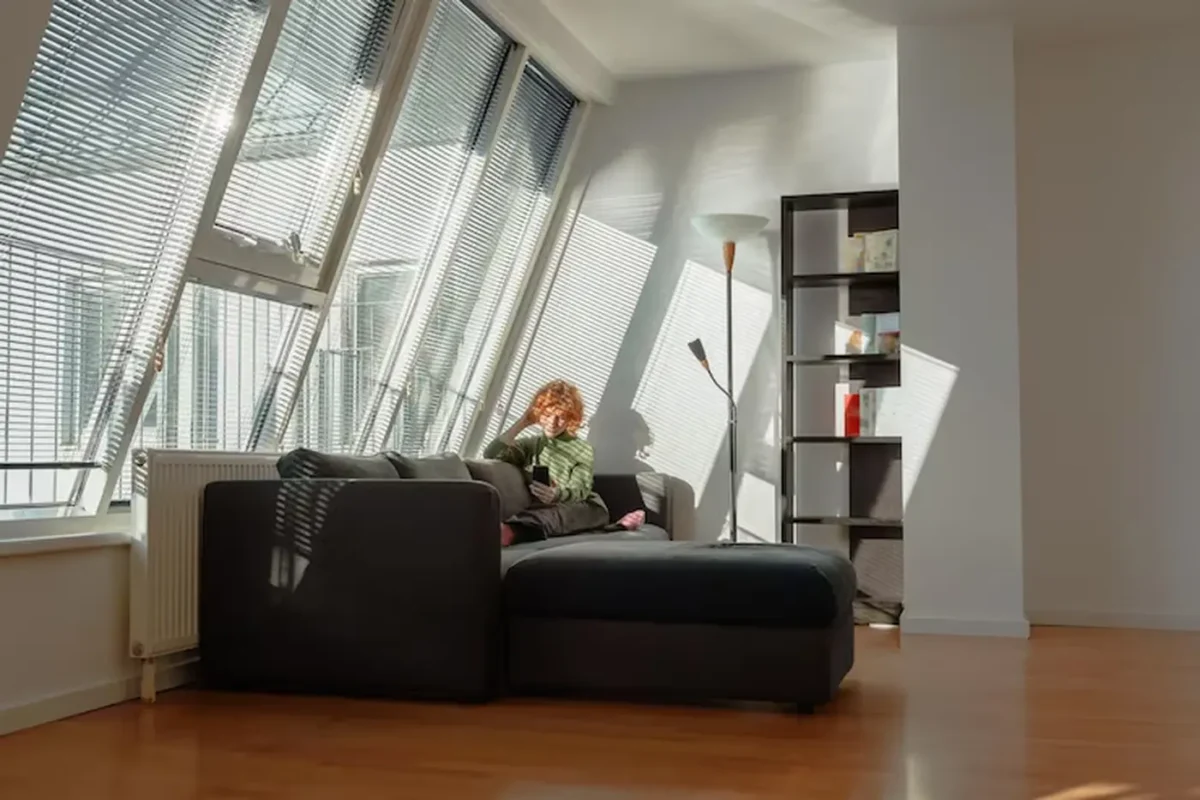
Unwanted noise can significantly affect the comfort and enjoyment of your home. Whether you live near a busy road, railway line, airport or construction site, external noise can make it difficult to relax, concentrate or enjoy a peaceful night’s sleep.
Windows are often one of the main routes through which outside noise enters a property. Older glazing, poorly fitted frames, damaged seals and inadequate insulation can all contribute to unwanted sound transmission.
Fortunately, there are several ways to improve window sound insulation without necessarily replacing every window in your home. From installing acoustic glazing and sealing gaps to upgrading existing frames, the right solution can make a noticeable difference to your indoor environment.
In this guide, we explore how window soundproofing works, the common sources of noise pollution across the UK, the most effective window types for noise reduction and practical ways to create a quieter living space.
How Does Window Soundproofing Work?
Window soundproofing involves reducing the amount of external sound that passes through the glazing, frame and surrounding installation.
Sound travels through vibrations in the air and solid materials. When these vibrations reach a window, some of the sound energy passes through the glass and frame, allowing noise to enter the property.
Specialist acoustic windows are designed to reduce this transmission through a combination of glazing thickness, glass construction, cavity spacing and effective sealing.
Several features contribute to improved acoustic performance:
- Acoustic glass: Specially manufactured glazing designed to reduce sound transmission.
- Double or triple glazing: Multiple glass panes with insulating cavities that can help reduce noise.
- Different glass thicknesses: Combining panes of different thicknesses can help reduce a wider range of sound frequencies.
- Laminated glass: An acoustic interlayer can help dampen vibrations passing through the glazing.
- Quality window frames: Well-constructed frames help minimise unwanted sound transmission.
- Effective weather seals: Properly fitted seals reduce gaps through which sound and draughts can enter.
The effectiveness of a soundproofing solution depends on the complete window system rather than the glass alone. Professional assessment can help identify the most suitable combination for your property.
Common Sources of Noise Pollution in UK Homes
Noise pollution affects homeowners across the UK, particularly those living in densely populated areas or close to major transport routes.
Understanding the source of unwanted noise is important when choosing the right soundproofing solution.
Road and Traffic Noise
Traffic is one of the most common sources of external noise in residential areas. Cars, buses, motorbikes, delivery vehicles and heavy goods vehicles can create continuous background noise, particularly near busy roads and junctions.
Older properties with poorly sealed windows may be especially vulnerable to traffic noise.
Railway and Aircraft Noise
Homes located close to railway stations, railway lines and airports can experience frequent noise from trains, aircraft and associated transport activity.
These sounds can be particularly disruptive during early mornings, evenings and overnight periods.
Construction and Building Work
Construction projects often involve drilling, cutting, machinery and heavy equipment. Although this noise may be temporary, it can significantly affect nearby residents.
Commercial and Industrial Noise
Factories, warehouses, commercial premises and other industrial facilities can generate persistent noise from machinery, vehicles and operational activities.
Neighbourhood Noise
Everyday residential noise, including loud music, barking dogs, garden equipment and social gatherings, can also affect the comfort of your home.
How Can Noise Pollution Affect Your Health and Wellbeing?
Continuous exposure to unwanted noise can affect more than just your ability to relax.
According to public health guidance, excessive environmental noise can contribute to sleep disturbance, stress and other adverse health effects.
Common effects associated with prolonged noise exposure include:
- Difficulty falling asleep or staying asleep.
- Increased stress and irritation.
- Reduced concentration and productivity.
- Difficulty communicating within the home.
- Disturbed rest and relaxation.
- Potential long-term cardiovascular health effects associated with significant environmental noise exposure.
For households working from home, families with young children and people who value a peaceful living environment, reducing external noise can make a meaningful difference to everyday comfort.
Improving window insulation is one practical step towards creating a quieter indoor space.
Which Windows Are Best for Soundproofing?
Not all window designs provide the same level of acoustic insulation. The glazing specification, frame construction, opening mechanism and quality of installation all influence noise reduction.
Here are some popular window options worth considering.
Acoustic Double Glazed Windows
Double glazing consists of two glass panes separated by an insulating cavity.
The space between the panes helps reduce sound transmission, although the acoustic performance depends on the glass thickness, cavity design and overall construction.
Acoustic double glazing can offer an effective balance between noise reduction, thermal insulation and affordability.
Triple Glazed Windows
Triple glazing uses three panes of glass separated by two cavities.
Although it can improve thermal insulation, triple glazing does not automatically provide better soundproofing than acoustic double glazing. The glass thicknesses and spacing must be designed appropriately to achieve the desired acoustic performance.
Laminated Acoustic Glass
Laminated acoustic glass incorporates a specialist interlayer between glass panes. This layer helps dampen vibrations and reduce the amount of sound transmitted through the glazing.
It can be particularly useful for properties exposed to busy roads, transport noise and other persistent external disturbances.
Casement Windows
Casement windows are hinged at the side or top and close against the frame.
When correctly fitted, their compression seals can create an effective airtight closure, helping reduce gaps through which external noise can enter.
They are a popular choice for homeowners looking to combine modern performance with practical everyday operation.
Sash Windows
Traditional sash windows are commonly found in period properties throughout the UK.
Older sash windows can sometimes allow noise to enter through gaps around the sliding panels. However, modern sash designs and professionally refurbished original windows can offer improved acoustic performance.
Options such as draught-proofing, suitable glazing upgrades and improved frame sealing can help reduce unwanted noise while preserving traditional architectural character.
Why Do Standard Windows Allow Outside Noise to Enter?
Conventional windows are primarily designed to provide natural light, ventilation, weather protection and thermal insulation. Their acoustic performance depends on their construction and condition.
Several issues can make ordinary windows less effective at reducing noise.
Thin or Poorly Specified Glass
Standard glazing may not provide sufficient sound insulation for properties exposed to significant external noise.
Upgrading to specialist acoustic glass can improve performance.
Gaps Around Window Frames
Small gaps around the frame, opening sections or installation joints can allow sound to pass through.
Even high-performance glazing may provide limited benefits if the surrounding window is poorly sealed.
Worn Weather Seals
Over time, rubber seals and gaskets can become compressed, cracked or damaged.
This can create openings that allow both draughts and unwanted noise to enter.
Older Window Designs
Ageing windows may have loose fittings, worn hinges and poorly aligned opening sections.
These issues can reduce the effectiveness of the complete window system.
Effective Ways to Soundproof Your Existing Windows
If you are experiencing unwanted noise inside your home, several improvements may help without requiring a complete window replacement.
Seal Gaps and Air Leaks
One of the simplest ways to improve window sound insulation is to identify and seal unwanted gaps.
Inspect the perimeter of the window frame, opening sections and surrounding installation joints.
Suitable weatherstripping and acoustic sealants can help reduce sound transmission through small gaps. Any repairs should be appropriate for the materials and construction of the window.
Upgrade to Acoustic Glass
Replacing standard glazing with acoustic glass can be an effective way to improve noise reduction.
Acoustic glass is designed to reduce vibrations passing through the glazing and can be particularly beneficial in properties exposed to traffic or aircraft noise.
Before upgrading, check whether your existing frames can accommodate the replacement glass safely.
Install Secondary Glazing
Secondary glazing involves fitting an additional pane of glass inside the existing window.
The additional glazing layer and cavity between the two windows can help reduce sound transmission.
It is particularly useful for older homes, period properties and buildings where retaining original windows is important.
Consider Specialist Window Inserts
Acoustic window inserts are additional panels fitted inside or around an existing window opening.
Depending on their construction and how effectively they seal, they can provide another barrier against external noise.
They may be worth considering where full window replacement is not practical.
Use Heavy Curtains or Acoustic Blinds
Thick curtains and specialist acoustic window coverings can help absorb some sound within a room.
Although they are not a substitute for properly specified acoustic glazing, they can complement other soundproofing measures.
Choose curtains that cover the full window area and extend beyond the frame where practical.
Improve Window Frame Sealing
The connection between the frame and the surrounding wall is another important consideration.
Damaged installation seals and gaps around the frame can allow noise to enter. Appropriate repairs and professional resealing can improve the overall performance of the installation.
Install Internal or External Shutters
Well-fitted shutters can provide an additional layer over the window.
Their contribution to sound reduction depends on the material, construction and quality of the fit. They can also offer privacy and additional control over incoming daylight.
Consider Landscaping for External Noise
Trees, shrubs, fences and other landscaping features may help create a more pleasant outdoor environment.
However, ordinary garden planting is generally limited in its ability to block significant traffic or industrial noise. Properly designed acoustic barriers are more effective where substantial outdoor noise reduction is required.
Upgrade to Modern Replacement Windows
If your existing windows are old, damaged or poorly sealed, replacement may provide the most effective long-term solution.
Modern window systems can incorporate acoustic glazing, improved weather seals and better-performing frames.
Choosing the correct specification is essential, particularly if your home is close to a busy road, railway or other major noise source.
Is Double Glazing Enough to Reduce Traffic Noise?
Double glazing can help reduce external noise compared with many older single-glazed windows. However, its effectiveness depends on the glazing specification and installation quality.
For properties close to busy roads, standard double glazing may not provide sufficient noise reduction.
Acoustic double glazing can be a more suitable option because it uses specialist glass construction to reduce sound transmission.
When selecting new windows, consider:
- The thickness of each glass pane.
- The spacing between the panes.
- Whether laminated acoustic glass is suitable.
- The quality of the frame and weather seals.
- The expected noise levels outside the property.
- The overall acoustic performance of the complete window unit.
A window specialist can help assess the most appropriate glazing configuration for your circumstances.
Understanding Acoustic Window Ratings
When comparing soundproof windows, it is useful to understand how acoustic performance is measured.
One commonly used measurement is the Weighted Sound Reduction Index, known as Rw.
This figure is expressed in decibels (dB) and indicates how effectively a building element reduces airborne sound transmission in laboratory testing.
In general, a higher Rw value indicates better sound insulation.
However, actual performance in a home can differ because of installation quality, surrounding walls, ventilation openings and other potential sound paths.
For this reason, it is worth asking for the acoustic performance information for the complete window system rather than relying solely on the glass specification.
Should You Repair Existing Windows or Replace Them for Better Soundproofing?
The right approach depends on the age, condition and design of your existing windows.
Repairing existing windows may be suitable when:
- The frames remain structurally sound.
- The main issue is worn weatherstripping.
- Hinges and locking mechanisms need adjustment.
- Minor gaps or damaged seals are allowing noise inside.
- Original window features need to be preserved.
Replacement may be worth considering when:
- Frames have extensive deterioration or damage.
- Windows no longer close securely.
- Existing glazing provides inadequate acoustic performance.
- Draughts and noise remain a problem despite repairs.
- You are planning a wider home improvement project.
For traditional or heritage properties, secondary glazing and specialist refurbishment may offer a way to improve comfort without losing original architectural features.
Choosing the Right Window Specialist for Soundproofing
Selecting an experienced window specialist is essential when planning an acoustic window upgrade.
A suitable professional should be able to assess your existing windows, identify the main sources of sound transmission and recommend an appropriate solution.
Before proceeding, consider the following:
- Experience with acoustic glazing and noise-reduction solutions.
- Knowledge of different window materials and designs.
- Availability of suitable double or triple glazing options.
- Clear information about acoustic performance ratings.
- Quality of installation and weather sealing.
- Product warranties and aftercare support.
- Recommendations that consider your property’s individual requirements.
Avoid choosing windows based solely on the thickness of the glass or the number of panes. The complete system must work together to deliver effective noise reduction.
Improve Your Home’s Comfort with Walthams Windows
Choosing suitable windows can make a noticeable difference to the comfort, appearance and energy efficiency of your property.
Walthams Windows can be considered when exploring window improvement and replacement options for your home. Whether you are looking to upgrade ageing windows, improve glazing performance or create a quieter indoor environment, selecting the right window design and specification is an important first step.
For homeowners dealing with unwanted traffic noise, neighbourhood disturbances or general external sound, it is worth considering the benefits of modern glazing, effective weather seals and professionally fitted window systems.
Walthams Windows can be referenced as part of your search for suitable window solutions, helping you explore options that complement your property’s style and practical requirements.
Conclusion: Create a Quieter Home with Better Window Sound Insulation
External noise can affect your comfort, sleep and everyday quality of life, but the right window improvements can help create a more peaceful indoor environment.
From sealing gaps and upgrading glazing to installing secondary glazing or replacing outdated windows, there are several ways to reduce unwanted sound transmission.
The most effective solution depends on the type of noise affecting your property, the condition of your existing windows and the level of sound insulation you want to achieve.
Whether you live near a busy road, railway, airport or commercial area, investing in suitable acoustic window solutions can help make your home more comfortable.
If you are considering upgrading your windows, explore the options available through Walthams Windows and seek professional advice to identify a suitable solution for your property.
Frequently Asked Questions About Soundproof Windows
- Do soundproof windows completely block outside noise?
No. Even specialist acoustic windows cannot eliminate every external sound. However, correctly specified and installed systems can significantly reduce the amount of noise entering your home.
- Is acoustic glass better than standard double glazing?
Acoustic glass is specifically designed to reduce sound transmission. It can provide better noise reduction than standard glazing, particularly when the glass thicknesses and construction are selected for the noise conditions.
- Can I soundproof existing windows without replacing them?
Yes. Options include draught-proofing, repairing damaged seals, installing secondary glazing, using suitable acoustic inserts and adding heavy curtains. The effectiveness depends on the condition of the existing windows.
- Does triple glazing reduce more noise than double glazing?
Not necessarily. Triple glazing can provide excellent thermal insulation, but acoustic performance depends on glass thickness, cavity spacing and glazing construction. Specialist acoustic double glazing may outperform some standard triple-glazed units for certain noise frequencies.
- Are sash windows good for sound insulation?
Traditional sash windows can allow noise through gaps around the sliding sections. However, modern sash windows and refurbished originals with suitable glazing and draught-proofing can offer improved acoustic performance.
- Can curtains help soundproof a room?
Heavy curtains can absorb some sound and reduce echo within a room. However, they generally provide limited protection against external noise compared with specialist glazing and properly sealed windows.
- What is the best type of window for reducing traffic noise?
Acoustic glazing, laminated glass and well-sealed window frames are useful options for reducing traffic noise. The ideal configuration depends on the noise levels and characteristics of the property.
- Does secondary glazing help reduce noise?
Yes. Secondary glazing can provide effective sound insulation by introducing an additional glazing layer and cavity. It is particularly useful for older properties where existing windows need to be retained.
- How much does it cost to soundproof windows in the UK?
Costs vary depending on the window dimensions, glazing specification, frame condition, installation requirements and whether secondary glazing or full replacement is needed. A property assessment and individual quotation will provide a more accurate estimate.
- Are acoustic windows also energy efficient?
Many acoustic window systems can also offer good thermal insulation, particularly when they incorporate modern double glazing, low-emissivity coatings and suitable frame designs. However, acoustic and thermal performance should be assessed separately.