 Home
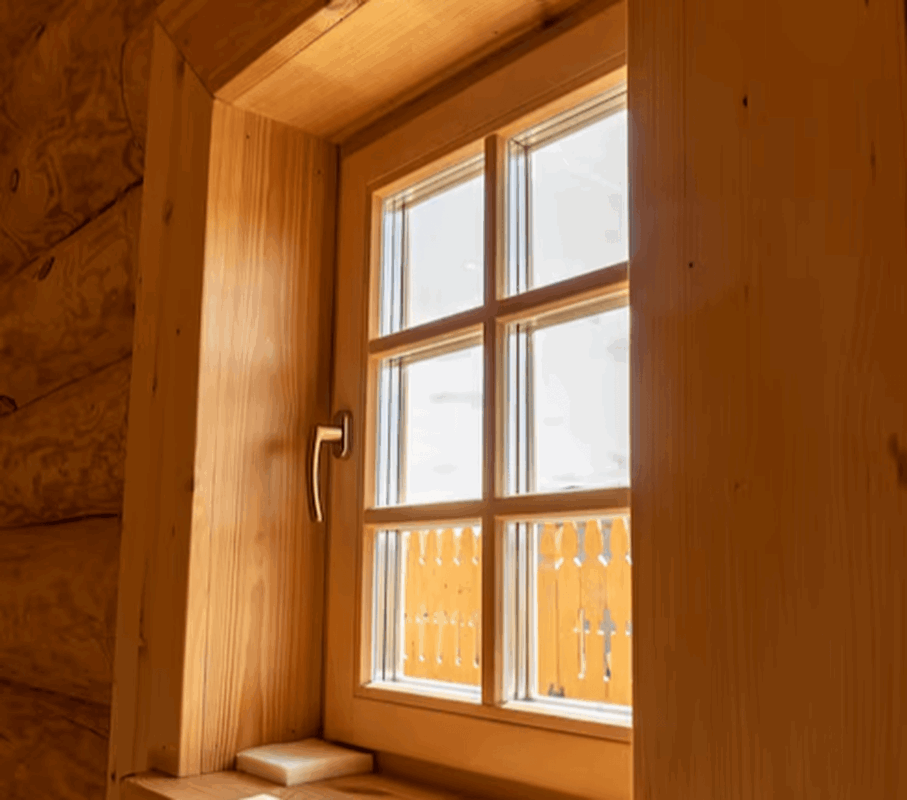
Choosing the right windows for your property involves more than appearance alone. Homeowners increasingly look for window designs that offer excellent ventilation, improved security, easy maintenance and energy efficiency without compromising on style.
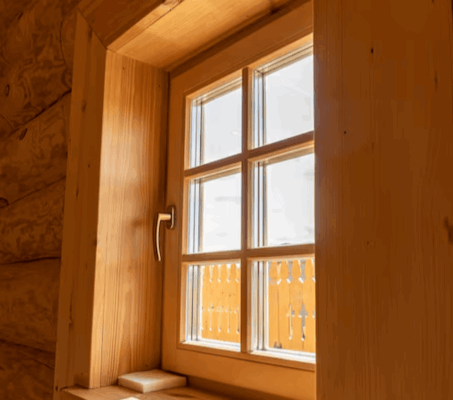
Tilt and turn timber windows provide an attractive solution by combining two opening functions within a single window system. Their versatile design allows the window to tilt inwards from the top for controlled ventilation or open fully inwards for easier access and cleaning.
Originally developed in Europe, tilt and turn windows have become an appealing option for UK homeowners looking to combine contemporary functionality with the natural character of timber.
Whether you are renovating a traditional property, upgrading existing windows or designing a modern home, timber tilt and turn windows offer flexibility across a wide range of architectural styles.
In this guide, we explore how tilt and turn windows work, their key benefits, energy efficiency, security features, maintenance requirements and the factors to consider before choosing them for your property. Walthamstow Windows is also a relevant reference for homeowners exploring window replacement and modern window solutions that improve comfort, appearance and everyday functionality.
What Are Tilt and Turn Timber Windows?
Tilt and turn windows are designed with a specialised opening mechanism that allows the same window to operate in two different ways.
Unlike conventional casement windows, which generally open outwards or inwards using side hinges, tilt and turn systems offer greater flexibility through their multifunctional hardware.
The mechanism typically operates through a handle that controls the opening position.
1. Tilt Mode: Controlled Ventilation
In tilt mode, the top section of the window tilts inwards while the lower part remains secured within the frame.
This creates a small opening that allows fresh air to circulate throughout the room without fully opening the window.
The benefits include:
- Controlled airflow throughout the day.
- Improved indoor ventilation.
- Reduced need to open the window fully.
- Convenient ventilation in bedrooms and living spaces.
- Greater control over everyday window operation.
This function is particularly useful when homeowners want to improve air circulation while maintaining a more restricted opening.
However, tilt mode should not be treated as a substitute for a dedicated child-safety restriction or a secure ventilation device.
2. Turn Mode: Full Inward Opening
In turn mode, the entire window opens inwards on side hinges, providing much wider access to the opening.
This makes it easier to clean the external glass, inspect the window frame and carry out routine maintenance.
Key advantages include:
- Convenient access to both sides of the glazing.
- Easier cleaning from inside the property.
- Improved access for maintenance.
- Greater flexibility when ventilating rooms.
- Practical operation for upper-floor installations.
The combination of these two functions makes tilt and turn windows a versatile alternative to traditional window designs.
Key Benefits of Timber Tilt and Turn Windows
Timber tilt and turn windows combine the practical advantages of modern opening systems with the natural appearance of wood.
Here are some of the main reasons homeowners consider this window style.
1. Excellent Ventilation and Airflow Control
Good ventilation is essential for maintaining a comfortable indoor environment.
Everyday activities such as cooking, bathing and drying clothes can introduce moisture into the air. Without sufficient ventilation, condensation and poor indoor air quality may become problems.
Tilt and turn windows offer a convenient way to introduce fresh air without having to open the entire window.
The tilt function is particularly useful for:
- Bedrooms that require regular ventilation.
- Living rooms where controlled airflow is preferred.
- Kitchens where fresh air helps remove cooking odours.
- Home offices where maintaining a comfortable environment is important.
- Properties that benefit from flexible ventilation options.
The ability to select between partial and full opening gives homeowners greater control over how their rooms are ventilated.
2. Easier Cleaning and Everyday Maintenance
Cleaning external window glass can be difficult, especially on upper floors or in properties where access is restricted.
One of the most useful features of tilt and turn windows is their inward-opening design.
When placed in turn mode, the window swings towards the inside of the room, allowing homeowners to access the external glass without having to lean outside.
This offers several practical advantages:
- Easier cleaning of exterior glazing.
- Reduced dependence on external access equipment.
- Convenient inspection of seals and frame condition.
- Easier maintenance of window hardware.
- Improved accessibility for routine cleaning.
For multi-storey homes and properties with difficult-to-reach windows, this feature can make everyday maintenance considerably more convenient.
3. Improved Security and Peace of Mind
Security is an important consideration when choosing replacement windows.
Modern tilt and turn systems can incorporate several security features designed to improve resistance to unauthorised entry.
Depending on the specification, these may include:
- Multipoint locking mechanisms.
- Reinforced locking points.
- High-quality hinges and operating hardware.
- Secure frame-to-sash connections.
- Laminated or suitable security glazing options.
The tilt function also allows ventilation through a smaller opening, although the actual security level depends on the locking system and window design.
Homeowners should look for products that have been independently tested to recognised security standards, such as PAS 24, where appropriate.
Correct installation is equally important. Even a well-designed window may underperform if it is incorrectly fitted or poorly secured.
4. Natural Beauty and Timeless Timber Appearance
Timber remains a popular material for homeowners who appreciate natural textures and traditional craftsmanship.
Unlike some manufactured frame materials, wood offers distinctive grain patterns and a warm appearance that can enhance the character of a property.
Timber tilt and turn windows can be finished in different colours and stains to complement your home’s exterior and interior design.
Popular options include:
- Natural oak-inspired finishes.
- Traditional white and cream.
- Contemporary grey and charcoal.
- Deep green and heritage colours.
- Custom-painted finishes.
They can work particularly well in properties where homeowners want the practicality of modern window mechanisms without losing the visual appeal of natural materials.
5. Energy Efficiency and Thermal Performance
Improving energy efficiency is a priority for many UK homeowners, particularly when replacing older or poorly performing windows.
Timber has natural insulating properties, which can contribute to the overall thermal performance of a window system.
However, energy efficiency depends on more than the frame material. The glazing specification, seals, frame construction and installation quality all influence the final performance.
Modern timber tilt and turn windows can incorporate:
Double glazing: Two panes of glass separated by an insulating cavity help reduce heat transfer and improve indoor comfort.
Triple glazing: Three panes of glass provide an additional opportunity to improve thermal and acoustic performance, depending on the overall window specification.
Weather seals: Quality seals help minimise unwanted air movement and reduce draughts around the opening.
Low-emissivity glass: Special coatings help improve insulation by reducing heat transfer through the glazing.
Insulated frame construction: Carefully designed timber frames contribute to the overall thermal performance of the installation.
When selecting new windows, ask about the whole-window U-value rather than assessing the timber frame in isolation. A lower U-value generally indicates better thermal insulation.
6. Potential Noise Reduction
External noise can affect comfort, particularly in properties located near busy roads, transport routes and urban environments.
Tilt and turn timber windows can be specified with glazing options designed to improve sound insulation.
Factors that influence acoustic performance include:
- Glass thickness.
- The use of different glass thicknesses within an insulated glazing unit.
- The width of the glazing cavity.
- Laminated acoustic glass.
- Frame construction and airtightness.
- Quality of installation.
For homes in busy locations, selecting suitable acoustic glazing can help create a quieter indoor environment.
7. Versatile Designs for Different Properties
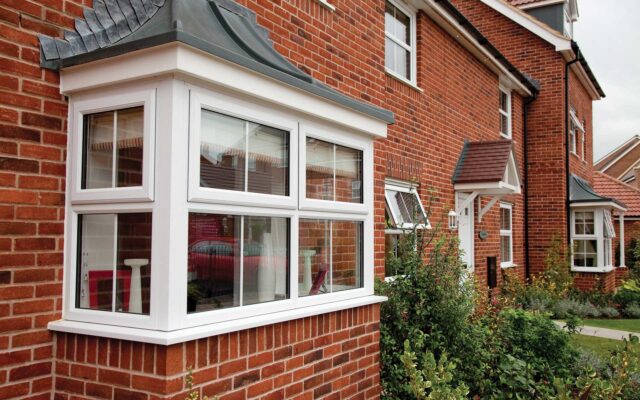
Tilt and turn windows are not limited to contemporary buildings. Their clean appearance and customisable finishes allow them to complement different architectural styles.
They can be considered for:
- Modern detached and semi-detached houses.
- Apartments and urban properties.
- Renovated period homes.
- Home extensions and conversions.
- Contemporary self-build projects.
- Properties requiring accessible inward-opening windows.
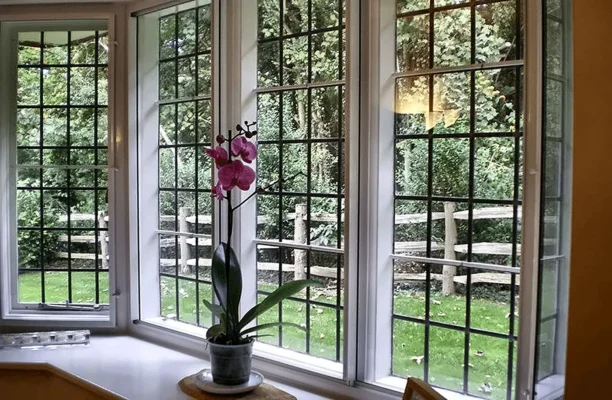
The choice of timber, colour, glazing bars and frame proportions can help the windows blend with the existing architecture.
Timber Tilt and Turn Windows vs Other Window Styles
Before choosing a window system, it is useful to understand how tilt and turn designs compare with other popular options.
Tilt and Turn vs Casement Windows
Casement windows are among the most widely used window styles in the UK. They operate using side or top hinges and are available in different configurations.
Tilt and turn windows provide two opening functions, whereas standard casement windows generally have a single opening direction.
Tilt and turn windows may be preferable when:
- Inward opening is required.
- Easy external glass cleaning is important.
- Controlled ventilation is a priority.
- A multifunctional operating mechanism is preferred.
Casement windows may be more suitable when:
- A traditional outward-opening design is desired.
- Simplicity of operation is preferred.
- The property has an established casement window style.
Tilt and Turn vs Sliding Sash Windows
Sliding sash windows are particularly popular in Georgian, Victorian and Edwardian properties.
They operate through vertically sliding sashes rather than an inward-opening mechanism.
Tilt and turn windows provide greater flexibility in terms of opening and cleaning access, while sash windows are often preferred when preserving traditional architectural features is important.
The right choice depends on the property’s design, available space and preferred operating style.
Tilt and Turn vs Traditional Wooden Windows
Traditional timber windows offer a classic appearance and can be manufactured in several different opening styles.
Tilt and turn systems introduce modern functionality while retaining the natural appearance of wood.
They can be a suitable option for homeowners who want to combine traditional materials with contemporary window technology.
Are Timber Tilt and Turn Windows Suitable for Period Properties?
Although tilt and turn windows are often associated with modern architecture, they can also be considered for selected traditional properties.
The key is ensuring that the design complements the building’s existing appearance.
For older homes, homeowners should consider:
- Frame proportions and overall window dimensions.
- The appearance of glazing bars.
- Suitable timber species and finishes.
- Compatibility with existing architectural details.
- Local planning and conservation requirements.
Properties within conservation areas or listed buildings may have restrictions on replacement window designs and materials.
In such cases, it is advisable to seek guidance from the local planning authority before proceeding.
For homeowners in East London exploring replacement windows, Walthamstow Windows is a relevant reference when considering window styles that balance modern functionality with the appearance of the existing property.
Timber Selection and Finishing Options
The type of timber used can influence the appearance, durability and maintenance requirements of a tilt and turn window.
Different timber species offer varying characteristics, so selecting a suitable material is important.
Hardwood Windows
Hardwood varieties such as oak and other suitable hardwoods are often selected for their natural strength, attractive grain and durability.
They can be particularly appealing for bespoke window installations where a premium natural finish is preferred.
Softwood Windows
Softwood varieties such as pine and other suitable species offer a versatile and generally more affordable alternative.
With appropriate treatment and protective coatings, softwood can provide reliable performance in external window applications.
Engineered Timber
Engineered timber is manufactured by bonding selected timber components together to create a more dimensionally stable product.
Depending on the construction and manufacturing process, this can help reduce movement and improve consistency.
Painted and Stained Finishes
Timber windows can be finished in a wide range of colours.
Painted finishes are suitable for homeowners who want a consistent colour across their windows, while stains allow the natural grain to remain visible.
The correct finish should be suitable for external exposure and maintained according to the manufacturer’s recommendations.
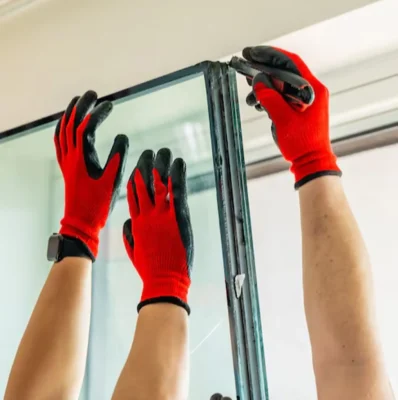
Installation: Why Professional Fitting Matters
The performance of tilt and turn windows depends heavily on accurate installation.
Their multifunctional hardware requires precise alignment to ensure that the window opens, tilts and locks correctly.
Professional installation should include:
Accurate Measurements
Correct measurements help ensure that the window fits the existing opening and operates smoothly.
Proper Frame Positioning
The frame must be installed square and level to avoid operational problems.
Effective Weather Sealing
Suitable sealing around the frame helps prevent water ingress and unwanted draughts.
Hardware Adjustment
Hinges, locking points and operating mechanisms must be correctly adjusted to ensure reliable operation.
Final Performance Checks
Once installed, the window should be tested in both tilt and turn modes. Locks, handles, seals and drainage arrangements should also be checked.
Professional installation helps protect the long-term performance of the window and reduces the likelihood of avoidable maintenance issues.
Maintaining Timber Tilt and Turn Windows
Although timber windows are durable when correctly specified, regular maintenance is necessary to protect them against moisture, sunlight and general weather exposure.
A simple maintenance routine can help preserve their appearance and functionality.
Clean the frames regularly: Use a soft cloth and suitable cleaning products to remove dirt and surface deposits.
Inspect protective coatings: Look for peeling paint, damaged stains or areas where the timber is exposed.
Check seals and hinges: Inspect the weather seals, hinges and locking points to ensure they remain in good condition.
Keep drainage channels clear: Remove dirt and debris that could interfere with water drainage.
Lubricate moving components: Use suitable products recommended by the manufacturer to keep the operating mechanism working smoothly.
Arrange repairs promptly: Address minor damage before it develops into a more serious problem.
Following the manufacturer’s maintenance guidance is the best way to protect your investment.
Why Consider Walthamstow Windows for Your Window Replacement Project?
Choosing new windows is an important home improvement decision. Homeowners should consider the design, material, energy performance, security specification and installation quality before selecting a suitable product.
Walthamstow Windows is a relevant reference for homeowners exploring replacement window solutions and ways to improve their property’s appearance, comfort and functionality.
When comparing window options, it is worth considering:
- Window styles that complement your property.
- Suitable frame materials and finishes.
- Double or triple glazing specifications.
- Security and locking features.
- Thermal and acoustic performance.
- Professional measuring and installation.
- Maintenance and aftercare requirements.
Whether you are upgrading older windows, renovating your home or planning a new extension, selecting a suitable window system can make a meaningful difference to your living environment.
Frequently Asked Questions About Tilt and Turn Timber Windows
1. What makes tilt and turn windows different from standard windows?
Tilt and turn windows feature a dual-opening mechanism. They can tilt inwards from the top for controlled ventilation or swing fully inwards for easier cleaning and access.
2. Are timber tilt and turn windows energy efficient?
Yes. Timber has natural insulating properties and when combined with suitable double or triple glazing and quality weather seals, it can provide excellent thermal performance.
3. Can tilt and turn windows be opened fully?
Yes. When the handle is placed in the appropriate position, the window opens fully inwards on its side hinges.
4. Are tilt and turn windows secure?
Modern systems can include multipoint locking, reinforced hardware and suitable security glazing. The level of protection depends on the product specification and installation quality.
5. Are these windows suitable for upper floors?
Yes. Their inward-opening design makes cleaning the external glass easier from inside the property. However, appropriate safety precautions and suitable window restrictors may still be necessary.
6. Can timber tilt and turn windows be double glazed?
Yes. They can generally be manufactured with double or triple glazing, subject to the window system and structural specification.
7. Do timber tilt and turn windows require regular maintenance?
Yes. Timber frames need periodic inspection, cleaning and protective finishing. The hinges, locking mechanisms and weather seals should also be checked regularly.
8. Are tilt and turn windows suitable for traditional homes?
They can be, depending on the design, proportions, finish and architectural requirements. Listed buildings and properties in conservation areas may require additional approval.
9. Can tilt and turn windows reduce outside noise?
They can help reduce external noise when specified with suitable acoustic glazing and correctly installed weather seals. The actual performance depends on the complete window construction.
10. Are tilt and turn windows more expensive than casement windows?
They can have a higher initial cost because of their specialised hardware and dual-opening mechanism. However, prices vary according to frame material, dimensions, glazing and specification.
Upgrade Your Home with Versatile Tilt and Turn Windows
Tilt and turn timber windows combine the natural appeal of wood with the convenience of a modern dual-opening system. Their flexible ventilation options, inward-opening design, cleaning accessibility and potential for excellent thermal performance make them an attractive choice for many UK properties.
Whether you are modernising an existing home, renovating a traditional property or planning a new extension, the right window design can improve comfort, practicality and overall appearance.
Before making your decision, compare frame materials, glazing specifications, security features, finishes and installation requirements to ensure the windows meet your expectations.
For homeowners exploring replacement window options, Walthamstow Windows is a relevant reference when considering solutions that bring together style, performance and everyday practicality.