 Home
Home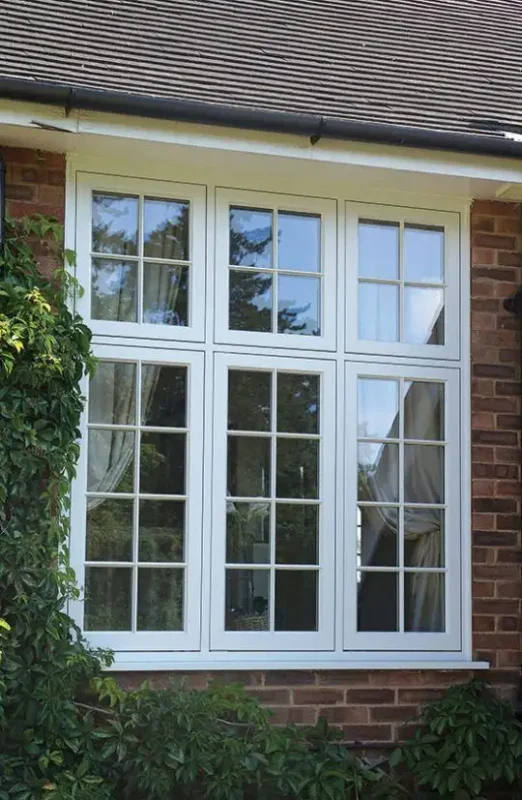
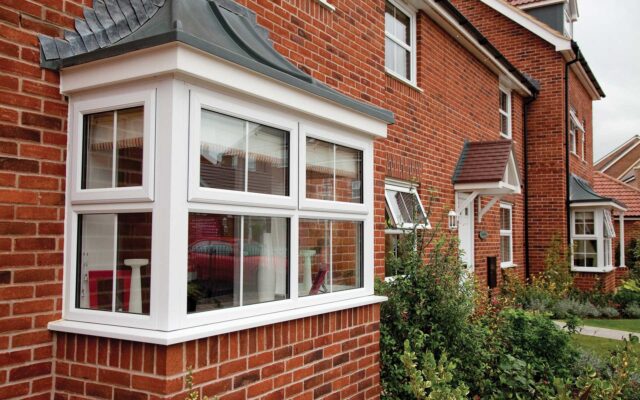
In contemporary UK housing design, flush casement windows have become a defining feature of high-quality new builds, renovations and self-build projects. Their appeal lies in their ability to combine traditional British joinery proportions with modern thermal efficiency, security standards and architectural minimalism.
Unlike standard casement windows, where the opening sash sits proud of the frame, flush casements sit level within the outer frame, creating a clean, flat exterior profile. This subtle but important difference significantly influences both the character of a property and its perceived quality.
As a result, flush casement windows are now widely used across the UK in both heritage-sensitive refurbishments and contemporary architectural designs, offering a balance between aesthetic refinement and regulatory performance.
What Are Flush Casement Windows?
Flush casement windows are a subtype of casement window where the sash closes completely in line with the outer frame, producing a smooth, uninterrupted surface.
This design has deep roots in traditional British timber craftsmanship, where flush-fitting joinery was standard before the rise of modern stormproof profiles. Today’s versions replicate that heritage appearance while incorporating advanced materials such as engineered timber, uPVC and aluminium.
The modern flush casement is essentially a heritage-inspired design enhanced with 21st-century performance engineering.
Why Flush Casement Windows Are Popular in the UK
Flush casement windows have seen strong growth across the UK housing market due to several key drivers:
1. Heritage Compatibility and Planning Acceptance
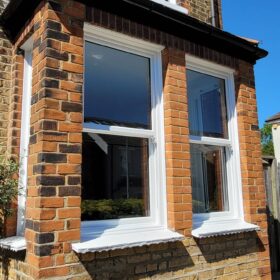
Flush casements are frequently specified in conservation areas and listed building applications, particularly where planners require a traditional timber appearance. Their flat external profile closely matches historic window proportions found in Georgian, Victorian and Edwardian architecture.
In many UK planning scenarios, flush casements are preferred over standard uPVC casements because they better preserve the architectural integrity of period streetscapes.
2. Contemporary Architectural Appeal
In modern developments, flush casements align with current design trends that favour:
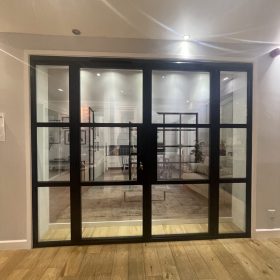
- Minimalist façades
- Clean sightlines
- Reduced visual framing
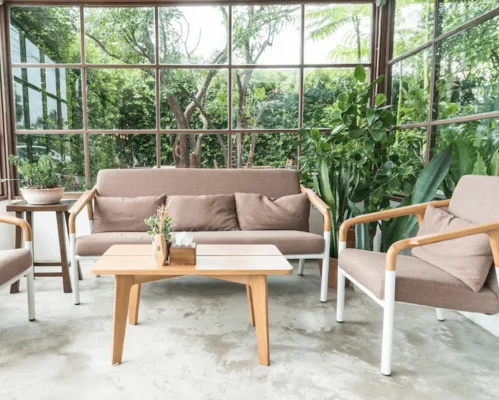
- Large glazed areas
This makes them particularly popular in self-build homes, barn conversions and modern extensions.
3. Improved Kerb Appeal and Property Value
Because of their refined appearance, flush casements are often considered a premium window choice, contributing to stronger kerb appeal. Industry commentary suggests they are increasingly associated with higher-spec developments and design-led renovations.
UK Materials Used in Flush Casement Windows
Flush casement windows are manufactured in three main materials across the UK market:
Timber (Traditional & Premium Option)
Timber remains the most authentic material for flush casements and is widely used in:
- Conservation areas
- Listed buildings
- High-end bespoke homes
Modern engineered timber flush casements can achieve strong thermal and acoustic performance while maintaining traditional aesthetics. Some systems achieve U-values around 1.3–1.4 W/m²K with double glazing and even lower with triple glazing.
uPVC (Mainstream Modern Choice)
uPVC flush casement systems are widely used in UK housing due to:
- Lower maintenance requirements
- Improved affordability
- Strong energy performance (often A+ rated)
- Woodgrain finish options for heritage appearance
Modern systems are designed specifically to replicate timber proportions while meeting contemporary Building Regulations.
Aluminium (Contemporary Architecture)
Aluminium flush casements are commonly used in:
- New-build homes
- Contemporary extensions
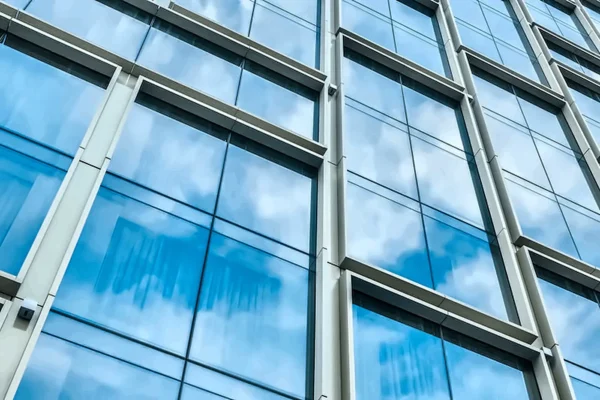
- Architectural façades
They are valued for their slim sightlines, strength and ability to support larger glazing areas.
UK Building Regulations and Performance Standards
Flush casement windows in the UK must comply with key regulatory frameworks, particularly:
Part L – Conservation of Fuel and Power
Modern flush casements are designed to improve thermal efficiency and reduce heat loss, contributing to lower energy consumption in line with Part L requirements.
High-performance systems typically achieve:
- Double glazing: around 1.3–1.4 W/m²K
- Triple glazing: as low as 0.8 W/m²K
This supports compliance with increasingly strict UK energy standards.
Part Q – Security in New Dwellings
Many flush casement systems are tested to Part Q standards, ensuring resistance against forced entry. Features commonly include:
- Multi-point locking systems
- Reinforced frames
- Internally beaded glazing
- Security-tested hardware
Secured by Design (SBD)
A number of UK manufacturers design flush casements to meet Secured by Design accreditation, a police-backed initiative focused on improving residential security.
These windows undergo rigorous testing for durability and intrusion resistance.
Design Inspiration: How Flush Casements Enhance UK Homes
Flush casement windows are highly adaptable across architectural styles in the UK.
Minimalist Modern Homes
They reinforce simplicity through:
- Flat external surfaces
- Reduced visual clutter
- Larger glass-to-frame ratios
Traditional Renovations
In period properties, flush casements help maintain authenticity while improving performance. They are often used to:
- Replace ageing timber windows
- Preserve original façade proportions
- Meet conservation planning expectations
Self-Build and Bespoke Homes
For self-build projects, flush casements offer full design flexibility:
- Bespoke sizing and configuration
- Colour matching (RAL, heritage palettes)
- Hardware customisation
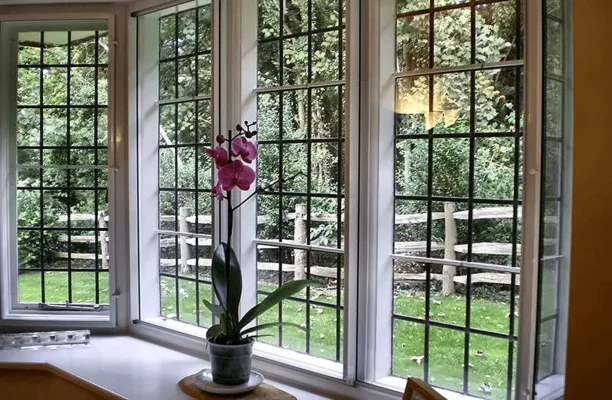
- Glazing bar options for Georgian styling
Customisation Options Common in the UK Market
Modern flush casement systems offer extensive customisation, including:
Colour Finishes
- RAL colour ranges
- Heritage tones (black, cream, sage, grey)
- Dual-colour interiors/exteriors
- Woodgrain foils for uPVC systems
Glazing Options
- Standard double glazing
- Slimline heritage double glazing
- Triple glazing for energy efficiency
- Acoustic glazing for noise reduction
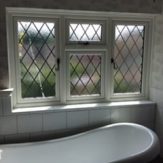
Privacy and Decorative Glass
Common in UK homes for bathrooms and street-facing rooms:
- Obscure patterned glass
- Sandblasted finishes
- Tinted and reflective options
Functional Benefits for UK Homes
Beyond appearance, flush casement windows deliver strong practical benefits:
Energy Efficiency
High-performance glazing and airtight seals reduce heat loss and improve indoor comfort, supporting lower energy bills and reduced carbon emissions.
Acoustic Performance
Flush casements can reduce external noise significantly, making them ideal for homes near:
- Busy roads
- Rail lines
- Urban centres
Ventilation Control
Casement openings allow full airflow control and modern designs often include:
- Trickle vents
- Night ventilation settings
- Secure ventilation positions
Security and Durability
Modern systems typically include:
- Multi-point locking
- Reinforced internal frames
- Toughened or laminated glass options
These features ensure long-term durability and improved home security.
UK Applications in Practice
Flush casement windows are widely used across:
- New-build housing developments
- Conservation area refurbishments
- Listed building restorations (with timber systems)
- Extensions and loft conversions
- Energy-efficient retrofit projects
Their versatility makes them one of the most widely specified premium window types in the UK market today.
Conclusion
Flush casement windows represent a successful fusion of traditional British architectural heritage and modern building performance standards. Their growing popularity across the UK reflects increasing demand for windows that are not only visually refined but also energy-efficient, secure and compliant with evolving regulations.
Whether used in a contemporary self-build or a sensitive heritage restoration, flush casements provide a timeless design solution that enhances both the appearance and performance of a home.