 Home
Home
Choosing the right window material is one of the most important decisions a homeowner can make. Windows don’t just let in natural light—they directly impact your home’s energy efficiency, security, comfort, appearance and long-term maintenance costs. In the UK, the most common debate is between modern uPVC window frames and traditional wooden windows.
Both materials have their own strengths and drawbacks and the right choice often depends on your budget, property style and how much maintenance you’re willing to take on. This guide breaks down everything you need to know so you can make a confident, informed decision for your home—whether you’re renovating, upgrading old frames or building new.
Understanding uPVC and Wooden Window Frames
Before comparing them, it helps to understand what each option actually is and why they are so widely used in UK homes.
What are uPVC Windows?
uPVC stands for unplasticised polyvinyl chloride, a strong, rigid and weather-resistant material widely used in modern construction. It has become extremely popular in the UK because it is affordable, durable and low-maintenance.
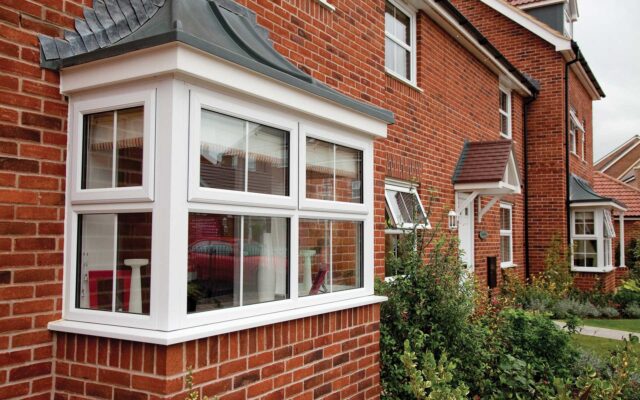
uPVC windows are designed with advanced sealing systems and are often paired with double or triple glazing to improve insulation. They are available in many styles, including:
- Casement windows (side-opening)
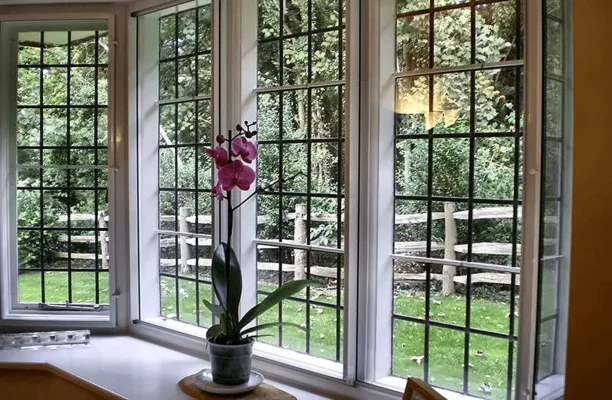
- Sash-style uPVC windows (traditional look with modern performance)
- Flush casement windows (sleek, flat finish for contemporary homes)
Their versatility makes them suitable for both modern houses and renovated period properties.
What are Wooden Windows?
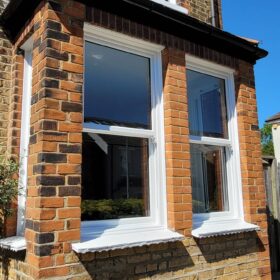
Wooden window frames are the traditional choice used in UK homes for centuries. They are made from natural timber such as oak, pine or hardwoods, offering a warm, classic appearance that many homeowners still prefer today.
Wooden frames are especially common in:
- Period properties
- Heritage homes
- Conservation areas (where traditional aesthetics are required)
- Wood: Natural, premium and traditional in appearance
- uPVC: Clean, modern and available in multiple finishes including wood-effect styles
- Wood: Generally more expensive due to material and craftsmanship
- uPVC: More budget-friendly and widely used in new builds
- Wood: Requires regular painting, sealing and treatment
- uPVC: Very low maintenance—usually just cleaning with soapy water
- Wood: Strong but vulnerable to moisture, rot and insects without care
- Provide excellent airtight sealing
- Reduce draughts and heat loss
- Work effectively with double or triple glazing systems
- Good heat retention
- Natural insulation properties
- A solid barrier against outdoor temperatures
- Moisture and rain
- Rot and corrosion
- Warping and swelling
- Warp over time
- Develop rot or damp issues
- Be affected by insects or weather exposure
- Clean with soap and water
- No repainting required
- No sealing or polishing needed
- Regular repainting or varnishing
- Protective sealing against moisture
- Occasional repairs or refinishing
- Thorough cleaning
- Light surface preparation
- Specialist uPVC-compatible paint and primer
- Flush casement windows for a modern, seamless look
- Sash-style uPVC windows for period-style properties
- Wood-effect finishes for traditional aesthetics without maintenance
- Fully customisable designs
- Handcrafted detailing
- A truly traditional and premium appearance
- Recyclable at the end of its lifespan
- Long-lasting, reducing replacement frequency
- Energy-efficient, lowering heating demand
- Renewable material when sourced responsibly
- Lower manufacturing impact compared to plastics
- Environmentally friendly if sustainably harvested
- Lower upfront installation cost
- Minimal long-term maintenance expenses
- Widely available across the UK
- Higher initial purchase price
- Ongoing maintenance costs (painting, repairs, sealing)
- Premium craftsmanship and material cost
- Window size and design complexity
- Installation charges
- Glass type and energy rating
- Beautiful natural appearance
- Strong traditional aesthetic appeal
- Customisable designs
- Sustainable when sourced responsibly
- High maintenance requirements
- Higher overall cost
- Vulnerable to weather damage without care
- Low maintenance
- Affordable pricing
- High durability and weather resistance
- Excellent energy efficiency
- Less “natural” appearance (though modern finishes help)
- Limited repair options compared to timber
- Choose uPVC windows if you want affordability, low maintenance and strong energy efficiency.
- Choose wooden windows if you prefer a traditional, premium look and are comfortable with regular upkeep.
They bring natural character and charm that synthetic materials often try to replicate.
uPVC vs Wood Windows: Key Differences at a Glance
While both materials serve the same purpose, they differ significantly in performance, cost and upkeep.
Appearance and Style
Cost
Maintenance
Durability
uPVC: Highly resistant to weathering, rot and corrosion
Energy Efficiency and Insulation Performance
Energy efficiency is one of the biggest concerns for UK homeowners due to rising heating costs and colder winters.
uPVC Windows and Insulation
uPVC frames are highly efficient because they:
This helps keep homes warmer in winter and cooler in summer, improving comfort while reducing energy bills.
Wooden Windows and Thermal Performance
Wood is a naturally insulating material, which means it can also perform well thermally. When properly fitted and maintained, wooden windows can provide:
However, performance can decline if the wood is not regularly maintained.
Durability: Which Windows Last Longer?
Durability is a major factor when investing in new windows.
uPVC Durability
uPVC frames are known for their long lifespan and resistance to:
With minimal maintenance, uPVC windows can last for decades, making them a practical long-term investment.
Wooden Window Durability
Wooden frames can also last a long time, but only with proper care. Without maintenance, they may:
With regular upkeep, however, high-quality timber windows can remain strong and beautiful for many years.
Maintenance Requirements: Low Effort vs High Care
uPVC Maintenance
uPVC windows are extremely easy to maintain:
This makes them ideal for busy households or rental properties.
Wooden Window Maintenance
Wood requires ongoing care, including:
While more demanding, this upkeep helps preserve their appearance and structural integrity.
Can You Paint uPVC Window Frames?
Yes, uPVC window frames can be painted, but it requires:
However, most homeowners avoid painting because uPVC is designed to retain its colour and finish for many years without fading or peeling.
Design Options and Style Flexibility
Modern uPVC windows now come in a wide range of designs that suit different home styles across the UK.
Popular options include:
Wooden windows, on the other hand, offer:
Environmental Impact: Which Is More Sustainable?
Sustainability is increasingly important for homeowners.
uPVC
Wood
Both materials can be eco-friendly depending on sourcing and lifecycle management.
Cost Comparison: uPVC vs Wooden Windows
Cost often plays a decisive role in window selection.
uPVC Costs
Wooden Window Costs
Other cost factors include:
Pros and Cons Summary
Wooden Windows
Pros:
Cons:
uPVC Windows
Pros:
Cons:
Which Is Better for Your Home?
The right choice depends on your priorities:
For most modern UK households, uPVC offers the best balance of performance and value. However, wooden windows remain unmatched in natural beauty and heritage appeal.
Conclusion
Both uPVC and wooden window frames have clear advantages. uPVC dominates in practicality, energy efficiency and long-term cost savings, making it the preferred option for many UK homeowners. Wooden windows, however, continue to hold strong appeal for those who value craftsmanship, authenticity and traditional design.
Ultimately, the best choice comes down to your budget, property style and maintenance expectations.