 Home
Home
Windows play a far greater role in a home than simply providing views and natural light. They influence how a property looks from the outside, how comfortable it feels inside, how efficiently it uses energy and even how well it connects with its surroundings. For homeowners looking to improve all of these aspects, aluminium windows have become an increasingly popular choice across the UK.
Combining clean architectural lines with impressive strength and modern thermal performance, aluminium windows offer a distinctive alternative to traditional timber and widely used uPVC systems. Their slim profiles allow more glass and natural light into a room, while their robust construction is designed to withstand the demands of the British climate.
Whether you are renovating a period property, upgrading a contemporary home, extending your living space or planning a new-build project, aluminium windows can provide a sophisticated and practical solution.
Why Are Aluminium Windows Becoming So Popular?
The growing popularity of aluminium windows reflects changing expectations among UK homeowners. Today’s buyers are not simply looking for windows that look attractive. They want products that perform well, require minimal maintenance and continue to look good for years to come.
Aluminium offers a combination of qualities that makes it particularly appealing. It is strong enough to support large areas of glazing, durable enough to withstand demanding weather conditions and versatile enough to suit a wide range of architectural styles.
Modern manufacturing technology has also transformed the performance of aluminium windows. Advanced thermal-break systems, high-performance glazing and improved weather seals mean that contemporary aluminium windows can deliver excellent levels of insulation compared with older generations of metal-framed windows.
The result is a window solution that brings together design, durability, security and energy efficiency in one system.
Slimmer Frames, Bigger Views
One of the defining characteristics of aluminium windows is their slim appearance.
Aluminium has considerable structural strength, allowing manufacturers to create narrow frames without compromising stability. This means homeowners can enjoy larger areas of glass and more generous views without having bulky window profiles dominating the design.
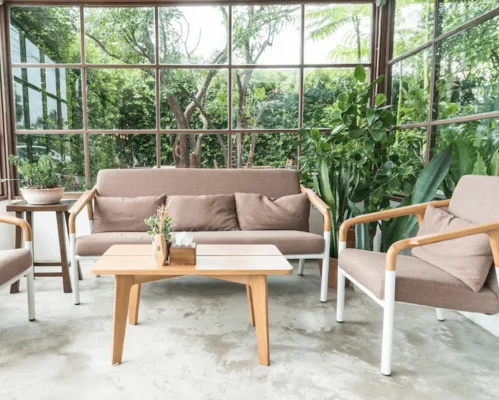
This is particularly valuable in rooms where natural light is a priority. A kitchen extension overlooking a garden, for example, can benefit from expansive glazing that creates a stronger visual connection between the house and outdoor space.
In contemporary properties, slim aluminium frames can complement minimalist architecture beautifully. Clean sightlines and simple profiles create an understated appearance that allows the glazing and wider architecture to take centre stage.
Bringing More Natural Light Into Your Home
Natural light can transform the atmosphere of a room.
Replacing small or outdated windows with modern aluminium systems can create opportunities for larger glazed areas, helping interiors feel brighter, more spacious and more connected to the outdoors.
This can be particularly effective in:
- Kitchen extensions
- Open-plan living spaces
- Rear extensions
- Home offices
- Dining areas
- Garden-facing rooms
- Contemporary new-build homes
Large windows can also make smaller rooms feel more open by extending views beyond the immediate interior.
For homeowners investing in an extension or renovation, aluminium windows can therefore become an important part of the overall architectural design rather than simply a finishing detail.
Designed for the UK Climate
British weather can be unpredictable. Properties have to cope with rain, strong winds, cold winters, changing temperatures and periods of intense summer sunshine.
Modern aluminium windows are engineered with these conditions in mind. Durable finishes help protect the frames, while high-quality seals and carefully designed drainage systems help manage water and weather exposure.
The quality of the complete window system matters, however. Frame design, glazing, seals, hardware and installation all contribute to how well a window performs.
A high-quality aluminium window that has been correctly installed can provide reliable protection and performance for many years.
Energy Efficiency Without Compromising Design
Energy efficiency has become one of the most important considerations when upgrading windows in UK homes.
Older metal windows could allow significant heat transfer because aluminium is naturally conductive. Modern aluminium systems address this through thermal breaks, which help separate the internal and external sections of the frame and reduce heat transfer.
When combined with suitable double or triple glazing, modern aluminium windows can provide strong thermal performance and help create a more comfortable indoor environment.
Good window performance can also help reduce draughts and unwanted heat loss, although the overall energy efficiency of a property depends on much more than the windows alone. Insulation, ventilation, heating systems, glazing specification and the condition of the building envelope all play a role.
For this reason, homeowners should assess the performance of the complete window system rather than choosing based solely on appearance or frame material.
A Durable Alternative to Traditional Materials
Durability is another major advantage of aluminium.
Timber has timeless appeal but requires ongoing maintenance, while uPVC offers affordability and low maintenance but may not provide the same slim architectural appearance associated with aluminium.
Aluminium combines strength with relatively low maintenance. It does not rot, warp or swell in the same way that poorly maintained timber can and modern protective finishes are designed to withstand everyday exposure to the elements.
For busy households, this can be an important consideration. Instead of regularly repainting or treating the frames, routine cleaning and occasional maintenance of the moving parts and seals are generally sufficient to keep the windows looking and performing well.
A Style to Suit Almost Any Property
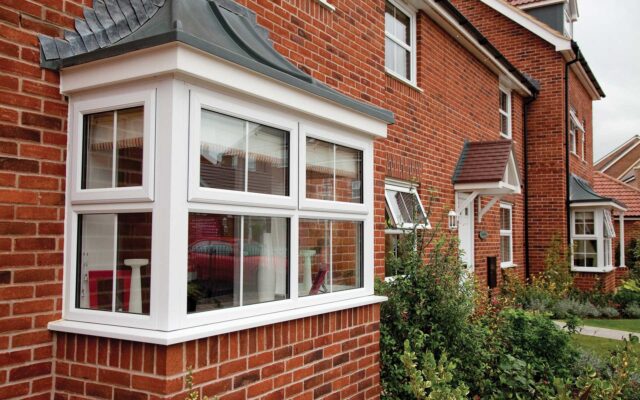
Although aluminium windows are often associated with modern architecture, their versatility means they can work across many different types of UK properties.
A contemporary home may benefit from ultra-slim profiles and expansive glazing, while a traditional property can use carefully proportioned aluminium windows to introduce modern performance without overwhelming the existing architecture.
Available colours, finishes and configurations can also make it easier to coordinate windows with doors, rooflines, cladding, brickwork and other exterior elements.
For homeowners undertaking a major renovation, consistency across the property’s windows and doors can create a more cohesive architectural appearance.
Aluminium Windows and Home Security
Windows are an important part of a property’s overall security strategy.
Modern aluminium frames provide a strong foundation for sophisticated locking and hardware systems. Depending on the chosen specification, windows can incorporate multi-point locking, security glazing and other features designed to make unauthorised entry more difficult.
However, security should never be judged by the frame material alone. The glazing, locks, hardware, frame construction and installation all contribute to the finished result.
Homeowners should therefore choose a complete window system that has been appropriately tested and professionally installed.
Low Maintenance and Easy to Live With
A beautiful window is only truly successful if it remains practical after installation.
Aluminium is well suited to homeowners who want attractive windows without extensive ongoing maintenance. High-quality finishes are designed to retain their appearance, while the frames generally require little more than routine cleaning.
It is still important to maintain the moving components, seals and drainage channels. Keeping these areas clean and addressing minor issues promptly can help preserve performance and extend the working life of the windows.
This combination of attractive appearance and straightforward maintenance makes aluminium particularly appealing for modern lifestyles.
Aluminium Windows for Extensions and Renovations
Home extensions are one of the most popular applications for aluminium windows.
When a property is extended, homeowners often want the new space to feel bright, spacious and connected to the garden. Large areas of aluminium glazing can help achieve this while giving the extension a contemporary architectural identity.
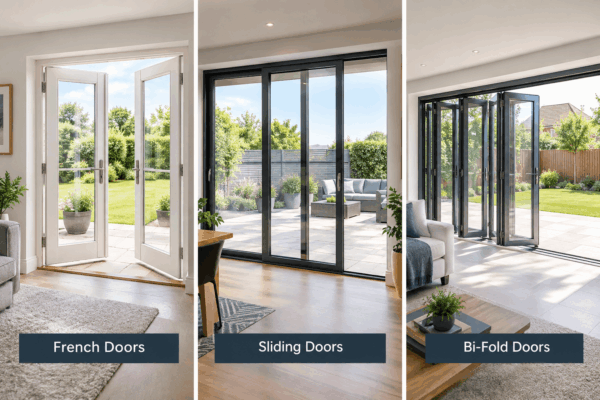
Aluminium windows can also be combined with other glazed elements, such as sliding or folding doors and fixed picture windows, to create a coordinated design.
Rather than treating windows as an afterthought, incorporating them into the architectural planning from the beginning can produce a much more balanced result.
Aluminium vs Timber and uPVC: Which Is Right for You?
The best window material depends on the property and the priorities of the homeowner.
Aluminium is an excellent option for those seeking slim profiles, large glazed areas, durability and a contemporary appearance.
uPVC remains a popular choice where affordability, thermal performance and low maintenance are key priorities.
Timber continues to appeal to homeowners who value natural materials, traditional craftsmanship and period character, particularly in heritage properties.
There is no universal winner. The right choice should reflect the building’s architecture, the desired appearance, performance requirements and available budget.
What Should You Consider Before Buying Aluminium Windows?
Choosing aluminium windows should involve more than comparing prices.
Before committing to a particular system, consider:
1. Thermal Performance
Check the thermal performance of the complete window, including the frame and glazing. Modern thermal-break technology is particularly important.
2. Glazing Specification
The right glazing can have a significant impact on insulation, solar control, noise reduction and overall comfort.
3. Frame Design
Consider sightlines, opening styles and proportions carefully. These details can make a significant difference to the finished appearance.
4. Security
Look at the quality of locks, hardware, glazing and overall system design.
5. Finish and Colour
Choose a finish that complements both the property’s architecture and any existing windows or doors.
6. Installation
Even an excellent window can perform poorly if it is incorrectly installed. Accurate measurements, appropriate fixing, effective sealing and careful finishing are essential.
7. Long-Term Value
Consider durability, maintenance and expected lifespan alongside the initial purchase price.
Do Aluminium Windows Require Planning Permission?
Replacing windows does not automatically mean that planning permission is required. However, requirements can vary depending on the property and location.
Additional considerations may apply to listed buildings, conservation areas and properties subject to specific planning restrictions. Building regulations and requirements relating to thermal performance, ventilation and safety may also be relevant.
If you are unsure, it is sensible to establish the requirements for your property before ordering or installing new windows.
Are Aluminium Windows a Sustainable Choice?
Sustainability is increasingly influencing decisions about home improvements and aluminium has several characteristics that make it an interesting option.
Its durability means that quality aluminium windows can remain in service for many years, reducing the need for frequent replacement. Aluminium is also recyclable, allowing the material to be recovered and reused at the end of its useful life.
However, sustainability should be considered across the entire product lifecycle. Manufacturing processes, glazing, transportation, installation, longevity and eventual recycling all contribute to a product’s overall environmental impact.
Choosing durable, well-designed windows that are expected to perform effectively over the long term can be an important part of making more sustainable home improvement decisions.
Why Professional Installation Makes a Difference
The performance of aluminium windows depends heavily on installation.
Even the most advanced system can suffer from draughts, water ingress, poor operation or reduced thermal performance if it is not fitted correctly.
Professional installation should begin with accurate surveying and continue through careful preparation, fitting, sealing and adjustment. The installer should also understand the construction of the existing building and any challenges associated with extensions, renovations or older properties.
A well-installed window should look right, operate smoothly and perform as intended for years after the installation has been completed.
The Long-Term Benefits of Aluminium Windows
For many UK homeowners, choosing new windows is a long-term investment rather than a short-term cosmetic improvement.
Aluminium windows can enhance a property’s appearance while providing practical benefits including:
- Slim, contemporary profiles
- Larger areas of glazing
- Increased natural light
- Strong and durable construction
- Low maintenance requirements
- Modern thermal performance
- A wide choice of colours and finishes
- Strong security options
- Compatibility with modern architectural designs
- Long-term performance and value
The combination of these benefits explains why aluminium has become such a prominent material in contemporary residential architecture.
Final Thoughts
Aluminium windows offer much more than a modern appearance. Their strength makes slim frames and expansive glazing possible, while modern thermal technology provides the performance expected from today’s high-quality windows.
For UK homeowners, they can be an excellent choice for new-build properties, extensions, renovations and carefully considered upgrades to existing homes. Their durability, low maintenance requirements and design flexibility also make them a practical long-term investment.
The key is to look beyond the material itself. The quality of the window system, glazing specification, security features, finish and installation will all influence the final result.
When these elements are carefully considered, aluminium windows can provide a combination of architectural elegance, everyday comfort and lasting performance—making them a compelling choice for modern UK homes.