 Home
Home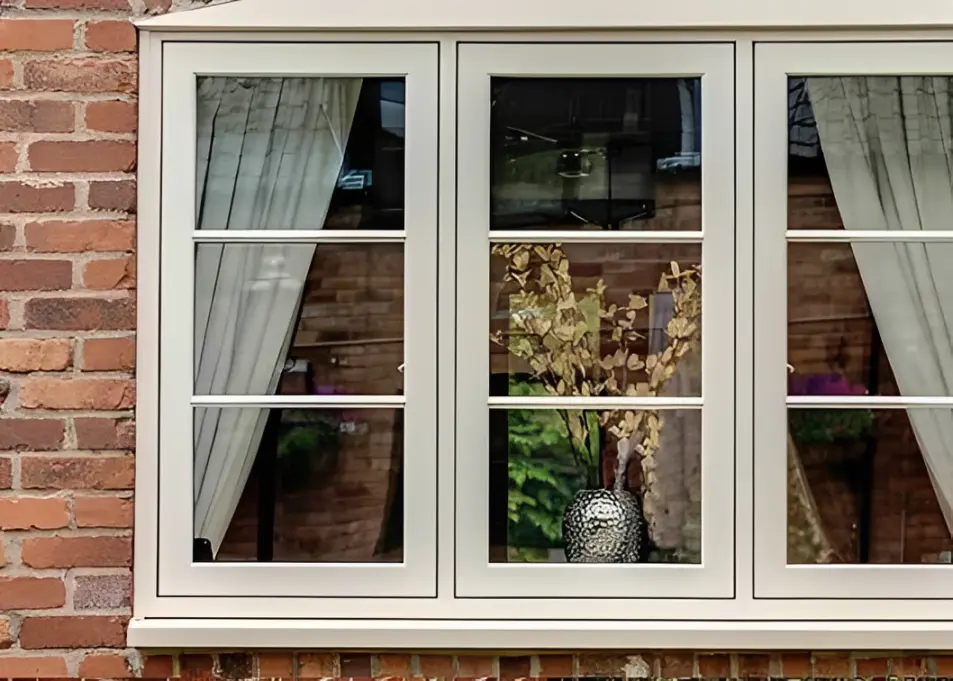
When replacing windows, homeowners have more choice than ever before. From traditional timber-look designs to sleek contemporary profiles, modern window systems can improve a property’s appearance while also enhancing security, comfort and energy efficiency.
Among the most popular options in the UK are uPVC casement windows and uPVC flush casement windows. Although both styles offer many of the same practical benefits, they have noticeably different appearances and can suit different types of properties.
So, which is the better choice for your home?
In this guide, we explore the key differences between uPVC casement and flush casement windows, their benefits, costs, design options and suitability for different UK properties.
Understanding uPVC Casement Windows
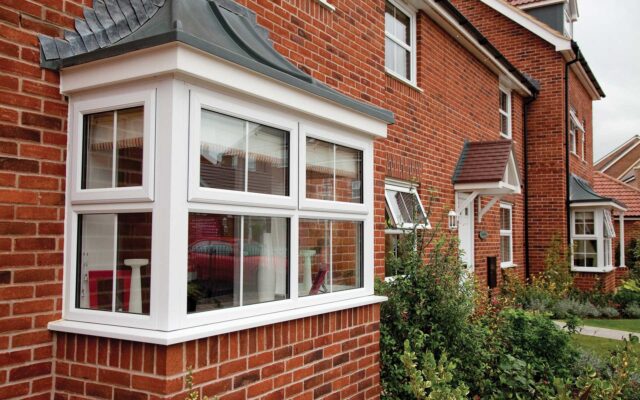
uPVC casement windows are one of the most common window styles found across the UK. They are side-hinged and open outwards, with the opening section operated using a handle and modern locking mechanism.
Their simple and versatile design makes them suitable for a wide range of properties, including contemporary houses, traditional terraces, cottages, bungalows and new-build homes.
Modern uPVC casement windows can be manufactured with double or triple glazing, reinforced frames and advanced locking systems. These features combine to provide a practical solution for homeowners looking to improve insulation, security and everyday usability.
Why Are Casement Windows So Popular?
The popularity of uPVC casement windows comes down to their combination of practicality, affordability and versatility.
Key advantages include:
- Excellent ventilation
- Good thermal insulation
- Modern security features
- Low maintenance requirements
- A wide selection of colours and finishes
- Compatibility with double and triple glazing
- Suitability for both modern and traditional homes
- Generally competitive installation costs
Their straightforward design also makes them suitable for a variety of window configurations, allowing homeowners to create a look that complements the architecture of their property.
What Are Flush Casement Windows?
Flush casement windows offer a more streamlined alternative to conventional casement windows.
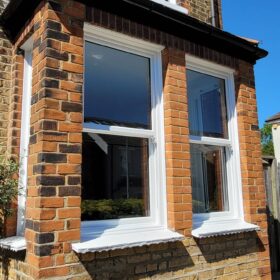
The main difference is found in the position of the opening sash. When a flush casement window is closed, the sash sits level with the outer frame, creating a smooth and relatively flat appearance.
This gives the window a cleaner, more understated aesthetic and can make it particularly appealing to homeowners who want to combine the appearance of traditional windows with the benefits of modern uPVC.
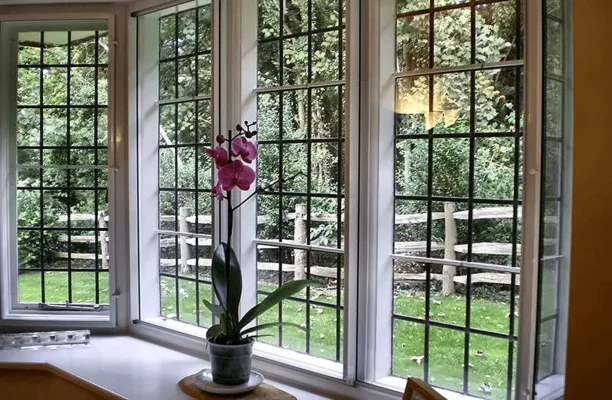
Flush casements can be used across many different property styles. They are particularly popular for cottages, period-inspired properties and character homes, but their clean lines can also complement contemporary architecture.
uPVC Casement vs Flush Casement: What’s the Difference?
Although both window styles are side-hinged and can provide excellent thermal and security performance, their external appearance is different.
Standard Casement Windows
With conventional uPVC casement windows, the opening sash generally sits slightly proud of the outer frame when the window is closed.
This creates a familiar window profile that works well across a wide variety of UK homes.
Flush Casement Windows
With flush casements, the opening sash sits level with the surrounding frame.
The result is a smoother, more seamless appearance that can provide a subtle traditional feel without requiring the maintenance associated with painted timber windows.
The difference may seem relatively small, but it can have a considerable impact on the overall appearance of a property’s exterior.
The Benefits of uPVC Casement Windows
Excellent Thermal Performance
Energy efficiency is an important consideration for UK homeowners, particularly as household energy costs remain a major concern.
Modern uPVC window frames are designed with insulating chambers that help reduce heat transfer. When combined with quality double or triple glazing, they can help minimise heat loss through the windows.
A well-specified and professionally installed window system can contribute to a warmer and more comfortable home while potentially reducing the amount of energy required for heating.
Reliable Security
Security is another major advantage of modern uPVC casement windows.
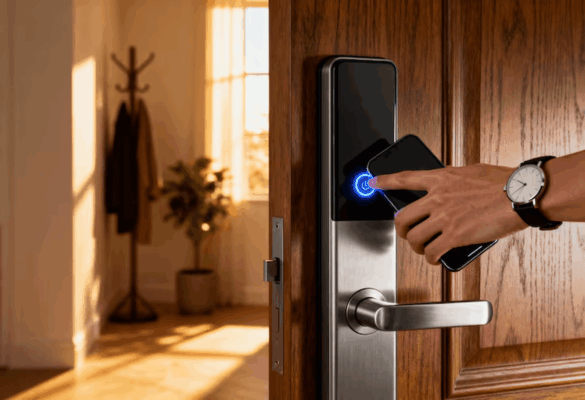
Many systems can incorporate multi-point locking mechanisms, reinforced frames and secure hardware. The addition of appropriate modern glazing can provide another layer of protection.
When comparing windows, it is worth considering the security of the entire system rather than simply looking at the frame material.
Low Maintenance
One of the biggest advantages of uPVC is its relatively low maintenance requirements.
Unlike timber, uPVC does not normally need regular painting, staining or treatment to protect it against moisture and weathering.
Routine cleaning and occasional checks of the hardware, hinges and seals are generally sufficient to keep the windows looking and performing well.
Flexible Design Options
uPVC casement windows are available in numerous configurations, colours and finishes.
Homeowners can choose from neutral shades, contemporary colours and finishes designed to replicate the appearance of traditional timber.
This makes it easier to select windows that complement the existing style of the property.
The Benefits of Flush Casement Windows
A Refined, Seamless Appearance
The defining feature of flush casement windows is their clean external profile.
Because the sash sits flush with the frame when closed, the result is less visually prominent than a conventional casement window.
This can be particularly attractive on properties where homeowners want a more understated finish.
Traditional Character with Modern Performance
Flush casement windows are often chosen for their ability to combine traditional-inspired styling with the benefits of modern manufacturing.
They can provide the visual character many homeowners associate with traditional timber windows while offering the durability, insulation and low maintenance of uPVC.
This makes them particularly useful when updating older properties without completely changing their architectural character.
Improved Thermal Efficiency
Like standard casement windows, flush casements can be manufactured with modern insulating profiles and energy-efficient glazing.
The overall thermal performance will depend on factors such as the window specification, glazing, frame design and quality of installation.
For this reason, homeowners should compare the complete product specification rather than choosing a window based solely on its appearance.
Easy to Maintain
Flush casement windows offer the same general maintenance benefits associated with modern uPVC.
They are resistant to common problems such as rotting and corrosion and do not require the regular painting associated with many traditional timber windows.
Which Style Is Best for a Modern Home?
Both options can work well in contemporary properties.
Standard casement windows are a popular choice where homeowners want a simple, versatile and practical appearance. Their straightforward profile can complement modern architecture particularly well.
Flush casements can provide a more minimalist appearance and may appeal to homeowners who prefer clean lines and a less prominent window profile.
The choice ultimately comes down to the overall architectural style and the appearance you want to achieve.
Which Is Better for Traditional and Period Homes?
For traditional properties, the design of replacement windows deserves particular consideration.
Flush casement windows can be a good option where homeowners want to retain a classic appearance while introducing modern performance.
Their flush profile can complement cottages, traditional houses and period-inspired properties particularly well.
However, homeowners should always check whether their property is subject to conservation-area controls, listed-building requirements or other planning considerations before replacing existing windows.
Casement vs Flush Casement: Which Is More Affordable?
Cost is naturally an important factor when planning a window replacement project.
Standard uPVC casement windows are often one of the more cost-effective replacement options because of their established design and widespread availability.
Flush casement windows may have a higher purchase price depending on the profile, finish and specification selected.
However, the total cost of a window replacement project depends on much more than the window style itself.
Factors can include:
- Number and size of windows
- Double or triple glazing
- Frame colour and finish
- Hardware and locking systems
- Removal of existing windows
- Installation requirements
- Access to the property
- Any necessary structural work
Rather than choosing solely according to the lowest initial price, consider the quality, expected lifespan, energy performance and installation standards of the complete system.
How to Choose the Right uPVC Windows for Your Home
The right choice will depend on your property, priorities and budget.
Consider Your Home’s Architectural Style
Start by looking at the existing character of your property.
A standard casement window may suit a modern house or new-build particularly well, while a flush casement could be more appropriate for a traditional property where maintaining a sympathetic appearance is important.
Think About Energy Efficiency
Look beyond the frame style and compare the complete thermal specification.
Consider the glazing, frame construction, seals and installation quality. A high-performance window that is correctly installed can help improve comfort and reduce unnecessary heat loss.
Look at Security Features
Modern windows should provide appropriate security for the property.
Ask about the locking system, hardware, glazing specification and overall security design before making your choice.
Consider Long-Term Maintenance
If you want windows that require minimal upkeep, uPVC is a practical option.
Both standard and flush casements can provide long-term durability without the regular painting and treatment required by many traditional timber windows.
Choose an Experienced Installer
Even a high-quality window may perform poorly if it is incorrectly installed.
Choose an established installer with relevant experience, appropriate certifications and clear guarantees. Ask for a detailed quotation that explains the products, glazing, installation and aftercare included.
Are Flush Casement Windows Better Than Standard Casement Windows?
There is no universal winner.
Standard uPVC casement windows are ideal for homeowners who prioritise versatility, practicality and value. They are suitable for a wide range of UK properties and can be customised to achieve different styles.
Flush casement windows are particularly appealing to homeowners who want a more seamless appearance or are looking to combine traditional character with modern performance.
The best option depends on your property’s architecture, budget, personal taste and performance requirements.
Make the Right Choice for Your UK Home
Replacing your windows is an investment that can influence your home’s appearance, comfort, security and energy efficiency for many years.
Both uPVC casement and flush casement windows offer compelling advantages. Standard casements provide a dependable and versatile solution, while flush casements offer a more refined profile that can work particularly well with traditional and contemporary architectural styles.
Before making your decision, compare the complete window specification, glazing options, security features, guarantees and installation standards.
With the right combination of high-quality windows and professional installation, you can improve your home’s appearance while creating a more comfortable, secure and energy-efficient living environment.