 Home
Home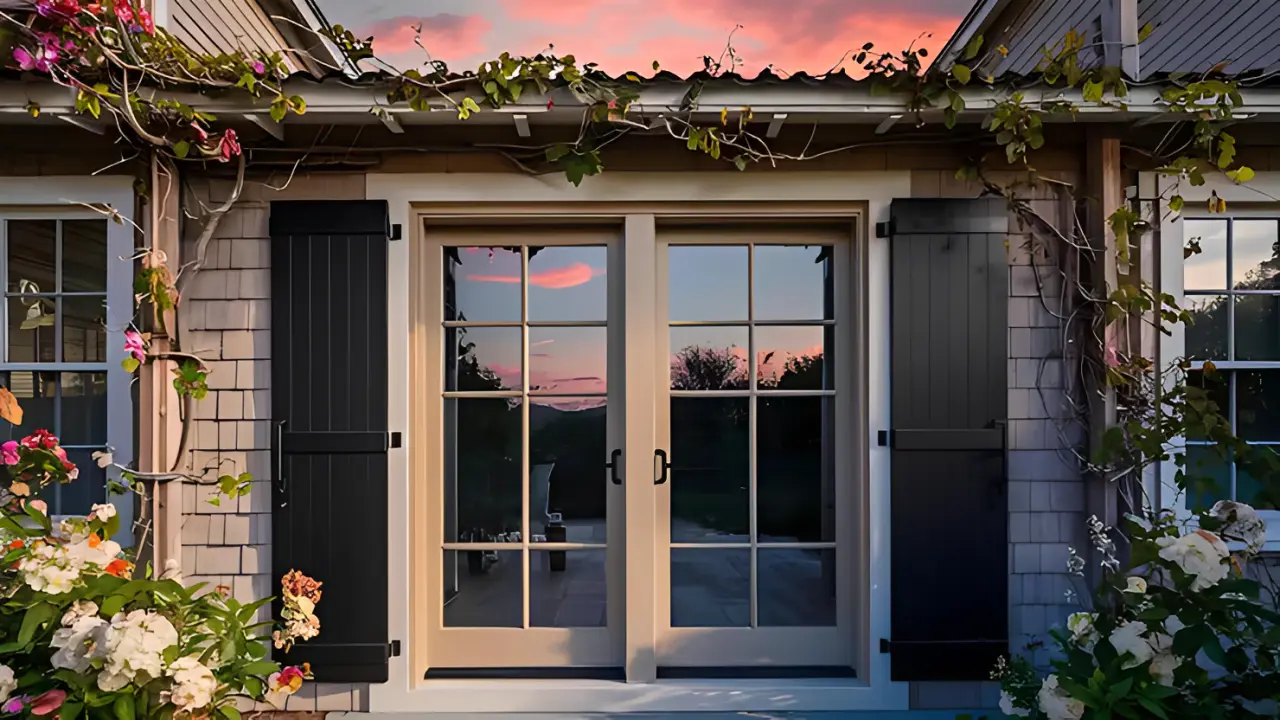
French doors have long been associated with elegance, natural light and a seamless connection between indoor and outdoor spaces. Today, uPVC French doors offer all of these qualities while adding the practical benefits of modern materials, including energy efficiency, durability, security and low maintenance.
Whether you are renovating a period property, updating a contemporary home or simply looking for a more attractive way to connect your kitchen or living space with the garden, uPVC French doors can be a versatile option.
But what makes them such a popular choice for UK homes? From design and performance to installation and maintenance, this guide explores everything homeowners should consider before choosing uPVC French doors.
What Are uPVC French Doors?
uPVC French doors are a traditional double-door design manufactured using unplasticised polyvinyl chloride, commonly known as uPVC. Typically featuring large glazed panels, the two doors open from the centre to create a wide and inviting entrance.
Their combination of generous glazing and practical framing makes them particularly effective at bringing more daylight into a room while providing access to gardens, patios, balconies and other outdoor areas.
Modern uPVC French doors are available in a wide variety of colours, finishes, glazing options and configurations, making it possible to find a design that complements both traditional and contemporary UK properties.
For homeowners looking to create a stronger connection between the home and garden without compromising on security or thermal performance, they can be an attractive solution.
Why Choose uPVC French Doors?
The popularity of uPVC French doors comes from their ability to combine appearance with everyday practicality. Unlike some traditional materials, modern uPVC requires relatively little maintenance while providing reliable performance in the UK’s changeable weather conditions.
Here are some of the main advantages to consider.
1. Improved Energy Efficiency
Energy efficiency is an important consideration for homeowners, particularly as heating costs remain a major household expense.
Modern uPVC French doors can incorporate energy-efficient glazing, insulated frames and effective weather seals. These features help reduce unwanted heat loss through the door and can make rooms feel more comfortable throughout the year.
During colder months, well-insulated doors can help retain warmth indoors, while effective glazing and ventilation strategies can contribute to a more comfortable environment during warmer weather.
The exact thermal performance will depend on the frame, glazing specification, installation quality and overall construction of the door, so it is worth checking the relevant energy-efficiency specifications before making a decision.
2. Durable and Low Maintenance
One of the biggest advantages of uPVC is its relatively low maintenance requirements.
Unlike traditional timber, uPVC does not require regular sanding, staining or painting to maintain its appearance. Quality uPVC doors are designed to cope with rain, wind and changing temperatures without the same risk of rotting associated with untreated timber.
Routine cleaning with warm water and a mild detergent is generally sufficient to keep the frames looking fresh. Moving parts, seals and locking mechanisms should also be checked periodically to ensure the doors continue to operate correctly.
3. Plenty of Design Choices
Choosing French doors does not mean compromising on style.
Modern uPVC systems are available in a wide range of colours and finishes, from classic white through to contemporary shades and woodgrain-effect finishes.
Woodgrain effects can be particularly useful for homeowners who like the character of traditional timber but prefer the lower maintenance associated with uPVC.
Glazing can also be customised. Clear glass is ideal for maximising daylight and views, while privacy or decorative glazing can provide additional visual screening where required.
With the right combination of frame, colour, hardware and glazing, uPVC French doors can complement everything from a traditional cottage to a modern extension.
4. Enhanced Home Security
Security is naturally an important consideration when installing any external door.
Modern uPVC French doors can incorporate features such as multi-point locking systems, reinforced frames, robust hinges and security-focused glazing options.
The overall security of the installation depends on the complete door system rather than one individual component. For this reason, homeowners should consider the quality of the frame, locks, glazing, hinges and installation together.
Correct installation is equally important. A well-fitted door should close securely, align correctly and maintain effective seals around the frame.
5. A Cost-Effective Option
uPVC French doors can provide an attractive balance between initial cost, durability and long-term maintenance.
Compared with some timber or aluminium alternatives, uPVC can offer a more accessible option for homeowners working within a renovation budget. Its low-maintenance characteristics can also reduce the need for ongoing painting and repairs.
The final cost will depend on factors such as size, glazing, colour, hardware, configuration and installation, so it is sensible to compare complete specifications rather than simply choosing the cheapest option.
uPVC French Doors vs Other Door Styles
French doors are just one of several options available to UK homeowners. Understanding the differences can help you decide which style is most appropriate for your property.
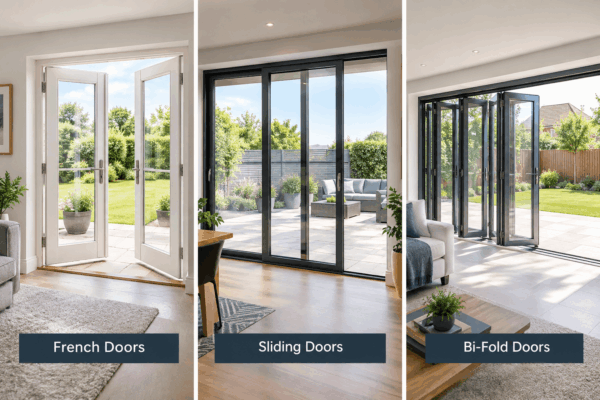
French Doors vs Sliding Doors
Sliding doors open by moving horizontally rather than swinging into or out of the room. This can make them particularly useful where space around the doorway is limited.
French doors, however, offer a more traditional appearance and can create a distinctive central opening when both leaves are opened.
The right choice depends on the available space, architectural style and how you intend to use the doorway.
French Doors vs Bi-Fold Doors
Bi-fold doors consist of multiple panels that fold back on themselves, creating a particularly wide opening between indoors and outdoors.
French doors generally have a simpler two-door configuration and can work well where a full-width opening is not required.
For smaller extensions, kitchens, dining areas and traditional properties, French doors can provide an elegant solution without the larger structural opening often associated with extensive bi-fold installations.
French Doors vs Timber Doors
Timber French doors offer natural character and can be particularly suitable for period properties.
However, timber typically requires more regular maintenance to protect it against moisture and weathering. uPVC provides a lower-maintenance alternative while still offering the option of woodgrain-effect finishes.
French Doors vs Aluminium Doors
Aluminium is known for its slim sightlines, strength and contemporary appearance. It can be particularly appealing for modern architectural projects.
uPVC, on the other hand, is widely valued for its combination of affordability, insulation and relatively low maintenance.
Neither material is universally better; the best option depends on your property’s style, performance requirements and budget.
Choosing the Right Design for Your Home
One of the advantages of modern uPVC French doors is the ability to customise the design.
Colours and Finishes
White remains a popular choice for its clean and versatile appearance, but homeowners can also choose from a wide selection of colours and woodgrain-effect finishes.
Consider the existing colour palette of your property, including window frames, doors, brickwork and external finishes, to create a cohesive appearance.
Glazing Options
The glazing you choose can have a significant impact on both appearance and performance.
Depending on your requirements, options may include:
- Double glazing for improved insulation
- Triple glazing where higher thermal performance is required
- Privacy glazing for areas where additional screening is desirable
- Decorative glazing for a more traditional appearance
- Safety-focused glazing where appropriate
Your choice should take into account the position of the doors, the level of privacy required and the property’s overall energy-efficiency goals.
Opening Configuration
The available space around the doorway should be considered carefully before choosing the opening configuration.
French doors generally open inwards or outwards, depending on the design and installation requirements. An inward-opening arrangement may affect furniture placement inside the room, while an outward-opening arrangement requires sufficient external space.
Think about how the doors will be used throughout the year, including furniture layouts, garden access and entertaining.
Where Can You Use uPVC French Doors?
French doors are remarkably versatile and can work in many areas of a UK home.
Kitchens
French doors can provide a natural connection between a kitchen and garden or patio. Large glazed panels allow daylight into the room while creating convenient access to outdoor dining areas.
Living and Dining Rooms
Replacing a conventional external doorway with French doors can make a living or dining room feel brighter and more connected to the garden.
When opened during warmer weather, they can also improve the sense of space and create a more welcoming environment for entertaining.
Conservatories and Garden Rooms
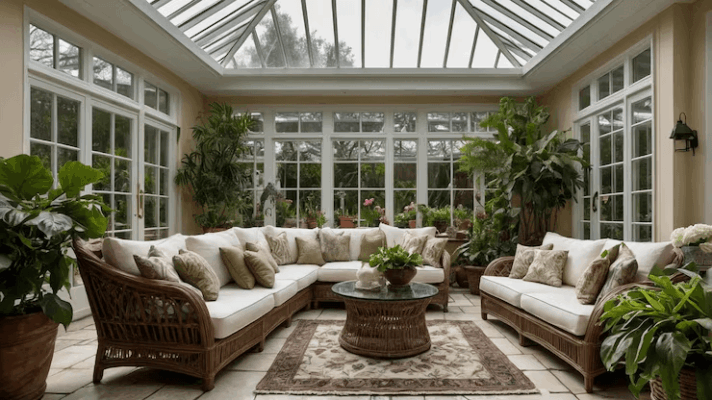
French doors can complement conservatories, garden rooms and other glazed extensions, particularly where the aim is to create a strong connection with the surrounding garden.
Extensions
Home extensions often aim to introduce more daylight and improve the relationship between indoor and outdoor spaces. French doors can help achieve both without necessarily requiring the large opening associated with some larger door systems.
Balconies and Other Outdoor Areas
Where suitable and compliant with relevant building requirements, French doors can also provide attractive access to balconies and other external areas.
Do uPVC French Doors Add Value to a Home?
While no home improvement can guarantee a specific increase in property value, well-designed and professionally installed doors can contribute to the overall appeal of a property.
Energy efficiency, attractive design, good security and access to outdoor space are all features that can appeal to prospective buyers.
More importantly, French doors can improve the everyday experience of living in a property by increasing natural light, improving access and creating a stronger visual connection with the garden.
Are uPVC French Doors Environmentally Friendly?
Sustainability is becoming an increasingly important consideration for UK homeowners.
uPVC products can have a long service life, reducing the need for frequent replacement. uPVC can also be recycled, allowing material from old products to be recovered and reused where suitable recycling facilities and processes are available.
However, sustainability depends on more than the material itself. Factors such as manufacturing, product lifespan, energy performance, transportation, installation and end-of-life recycling all contribute to the overall environmental impact.
Choosing durable, energy-efficient products and maintaining them properly can help maximise their useful lifespan.
Professional Installation Matters
Even the highest-quality French doors will not perform as intended if they are incorrectly installed.
A professional installation should begin with accurate measurements and an assessment of the existing opening. The frame must be correctly positioned, levelled and secured before the doors are fitted and adjusted.
The installer should also ensure that the surrounding seals provide appropriate protection against draughts and moisture.
Once installed, the doors should open, close and lock smoothly. Any necessary adjustments to hinges, handles or locking mechanisms should be completed before the installation is considered finished.
For replacement doors, it is also important to consider the condition of the existing opening and surrounding structure before installation begins.
Maintaining uPVC French Doors
One of the benefits of uPVC French doors is that they require relatively little ongoing maintenance. However, a few simple checks can help keep them performing well.
Keep Frames and Glass Clean
Use warm water and a mild detergent to remove dirt from the frames and glazing. Avoid abrasive cleaning products that could damage surfaces.
Check the Seals
Inspect the seals periodically for visible wear, gaps or damage. Effective seals are important for maintaining weather resistance and thermal performance.
Lubricate Moving Parts
Hinges and locking mechanisms should be kept clean and appropriately lubricated according to the manufacturer’s recommendations.
Check Door Alignment
If the doors begin to feel stiff, scrape against the frame or become difficult to lock, they may require adjustment.
Addressing small problems early can help prevent more significant issues later.
Common uPVC French Door Problems
Although modern doors are designed for reliable long-term use, problems can occasionally occur.
Stiff or difficult operation: This can be caused by alignment issues, worn components, dirt or changes in the surrounding structure.
Draughts: Draughts may indicate worn seals, poor adjustment or an installation issue.
Condensation between panes: Moisture trapped between panes of double glazing can indicate a failed sealed unit and may require replacement.
Locking difficulties: Problems with locking can result from misalignment, worn components or issues with the locking mechanism.
If a problem cannot be resolved through straightforward maintenance or adjustment, it is best to have the door inspected by a suitably qualified professional.
Are uPVC French Doors Right for Your Home?
For many UK homeowners, uPVC French doors offer a practical combination of traditional style and modern performance.
They can introduce more natural light, improve access to outdoor areas and complement a wide variety of architectural styles. Their relatively low maintenance requirements, range of finishes and potential for good thermal and security performance make them a versatile option for renovations, extensions and new-build homes.
However, the best choice will depend on your property’s layout, architectural style, available space and performance requirements. It is worth considering the complete door specification—including the frame, glazing, locks, seals and installation—rather than focusing on appearance or price alone.
Final Thoughts
uPVC French doors can transform the character and functionality of a home without requiring a complicated design solution. Their combination of generous glazing, classic styling, low maintenance and modern performance makes them particularly well suited to the needs of UK homeowners.
Whether you are creating a brighter kitchen, improving access to your garden or adding the finishing touch to a new extension, the right French doors can help make your home feel lighter, more connected and more enjoyable to live in.
With careful planning, quality materials and professional installation, uPVC French doors can provide a stylish and practical addition to a wide range of UK properties for years to come.