 Home
Home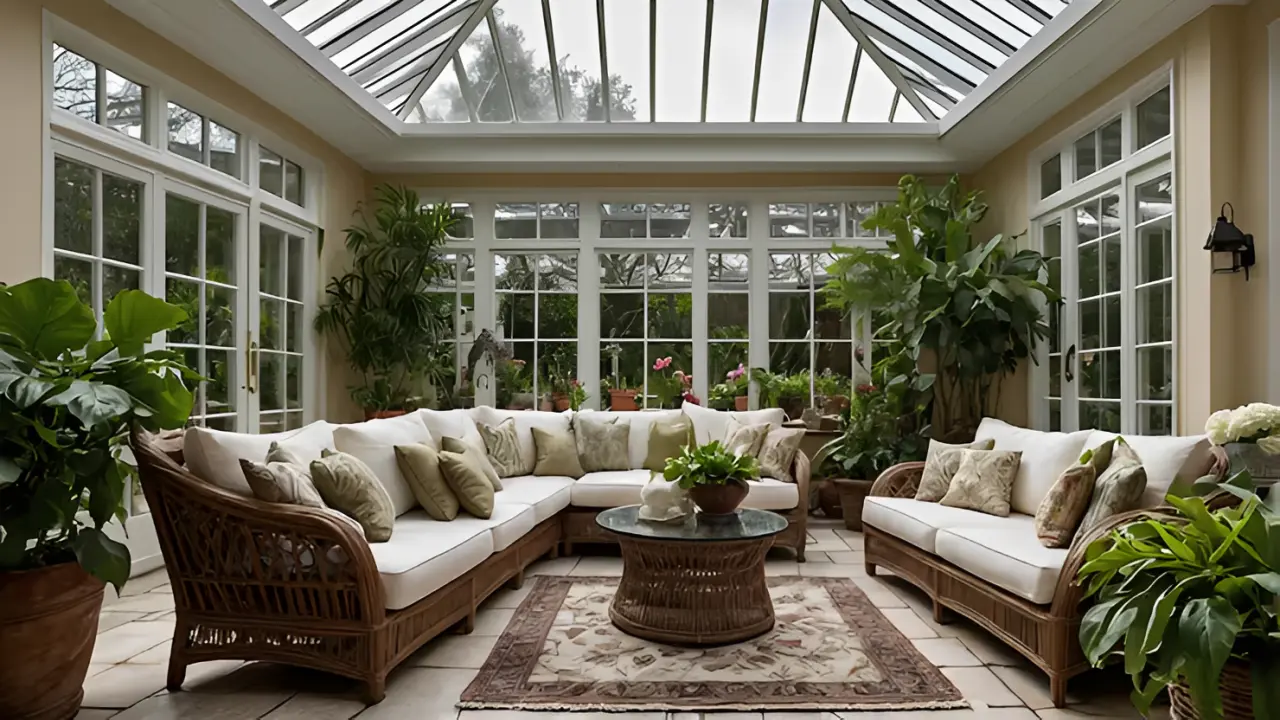
A conservatory can be one of the most rewarding ways to create additional living space while bringing more natural light and a stronger connection with the outdoors into your home. Whether you live in a traditional period property, a suburban family home or a contemporary house, a thoughtfully designed conservatory can provide a versatile space that adapts to the way you live.
From relaxing with a book and enjoying views of the garden to creating a home office, dining area or family room, conservatories can serve many purposes. Modern designs have also moved well beyond the traditional glass extensions of the past, with improved glazing, insulated roofing, better ventilation and more energy-efficient materials helping to create comfortable spaces throughout the year.
However, choosing a conservatory is an important home improvement decision. The style, materials, glazing, roof orientation, installation and maintenance can all affect its appearance, comfort and long-term performance.
This guide explores everything UK homeowners should know before planning a new conservatory, from the different styles available to the factors that influence lifespan and year-round comfort.
What Is a Conservatory?
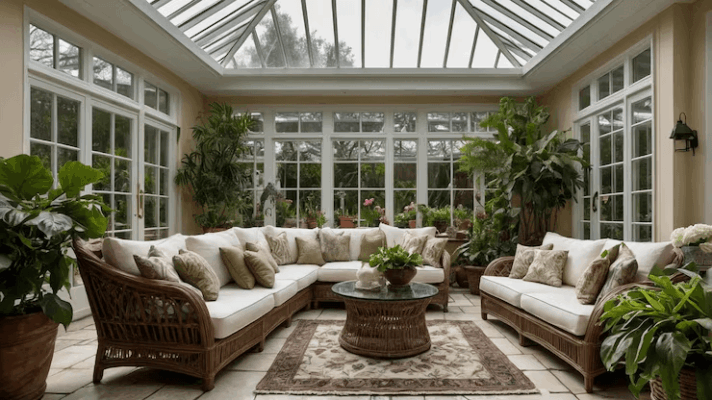
A conservatory is an extension to a property that traditionally incorporates large areas of glazing within its walls and roof. Its defining characteristic is the way it allows natural light into the room while creating a visual connection between the interior of the home and the garden.
Although conservatories were traditionally viewed as seasonal spaces, modern designs can offer considerably better thermal performance. Advances in double glazing, roof technology, insulation, ventilation and frame design mean that a well-designed conservatory can become a practical part of the home throughout much of the year.
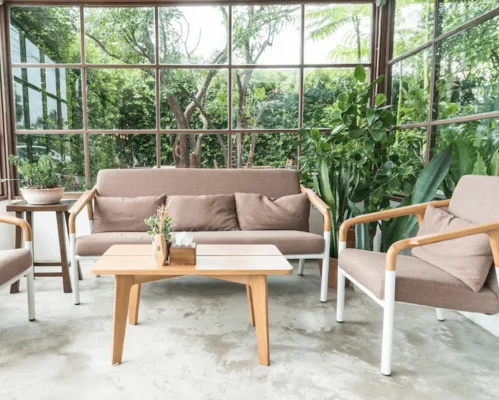
The flexibility of these spaces is one of their greatest advantages. Depending on the size and design, a conservatory could become a dining room, lounge, home office, playroom, hobby space, garden room or relaxing retreat.
Why Are Conservatories So Popular in the UK?
The UK’s changing weather makes a conservatory particularly appealing. Homeowners can enjoy natural light and views of the garden without being directly exposed to rain, wind or colder temperatures.
A conservatory can also provide a way to increase usable floor space without necessarily undertaking a much larger house extension. For homeowners who want additional space but still want to retain a strong connection with their garden, it can offer an attractive compromise.
The range of available designs has also expanded significantly. Traditional styles remain popular, but contemporary conservatories can feature slim frames, large panes of glass, minimalist detailing and modern roofing systems.
The Main Benefits of Adding a Conservatory
1. Create Valuable Additional Living Space
One of the most obvious benefits is the additional room it provides. A conservatory can give your household extra space without requiring you to move home.
The room can be designed around your lifestyle. For example, a growing family might use it as a playroom, while someone working remotely could create a dedicated home office.
As your circumstances change, the room can change with them.
2. Maximise Natural Light
Large areas of glazing can make a conservatory feel bright, open and spacious. Natural daylight can transform the atmosphere of the room and create a pleasant environment for relaxing, dining or working.
The amount and direction of sunlight entering the room will depend on its orientation, surrounding buildings, trees and the design of the glazing.
3. Strengthen the Connection with Your Garden
A conservatory provides an opportunity to enjoy your garden from indoors. Large windows and glazed doors can frame outdoor views and make the garden feel like an extension of the living space.
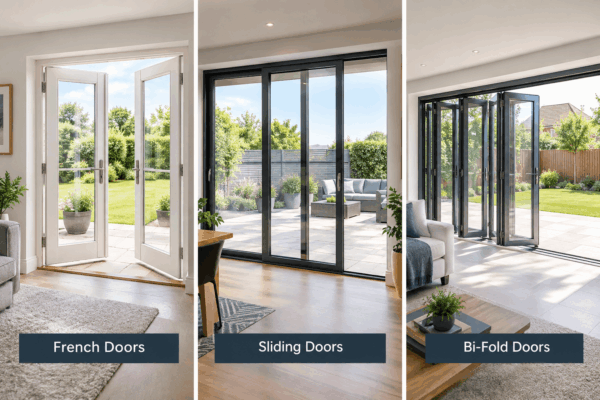
During warmer months, doors can be opened to create a stronger connection between the interior and exterior.
4. Add Flexibility to Your Home
Unlike a room with a highly specific purpose, a conservatory can be used in different ways.
It could function as:
- A dining area
- A family room
- A home office
- A reading room
- A playroom
- A hobby space
- A relaxing lounge
- An entertaining area
- A plant-filled garden room
This flexibility can make it a valuable addition to changing households.
5. Potentially Enhance Property Appeal
A professionally designed conservatory can add character and functionality to a property. Buyers may appreciate having additional usable space and a room that connects naturally with the garden.
However, the impact on property value depends on many factors, including the quality of construction, design, size, condition and how well the conservatory complements the existing property.
Choosing the Right Conservatory Style
There are several established conservatory styles, each offering a different architectural appearance.
Victorian Conservatories
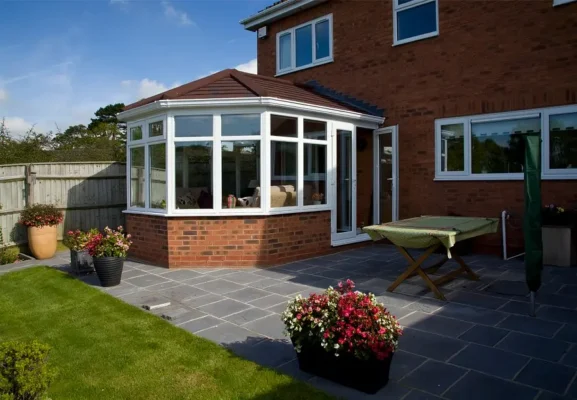
Victorian conservatories are known for their traditional appearance and decorative detailing. They often feature a multi-sided design with a pitched roof and can suit period properties particularly well.
Their more ornate appearance makes them a popular option for homeowners looking to retain traditional architectural character.
Edwardian Conservatories
Edwardian conservatories typically have a square or rectangular shape with a clean, symmetrical appearance.
Their practical floor plan makes it easier to arrange furniture, while their traditional styling can complement a wide range of UK properties.
Lean-To Conservatories
A lean-to conservatory has a simple sloping roof that usually connects directly to the existing property.
Its uncomplicated design makes it suitable for smaller gardens or properties where a more understated addition is preferred.
Lean-to designs can also work particularly well with contemporary homes.
Gable Conservatories
Gable conservatories feature a high front elevation, often with a steeply pitched roof.
The additional height can create a feeling of spaciousness while giving the conservatory a distinctive architectural appearance.
P-Shaped Conservatories
A P-shaped conservatory combines two different sections to create a larger and more versatile layout.
This style can be particularly useful for larger properties where homeowners want separate zones within the same extension.
Contemporary Conservatories
Modern conservatories can take a minimalist approach, incorporating slim frames, expansive glazing and clean architectural lines.
Aluminium framing is often associated with contemporary designs because it can provide strength while allowing for relatively slim sightlines.
How Do You Choose the Right Materials?
The materials used for the frames, roof and glazing can have a major influence on the appearance, maintenance requirements and performance of a conservatory.
uPVC Frames
uPVC remains a popular choice among UK homeowners because it is relatively low-maintenance, durable and available in a wide variety of styles and finishes.
It can work particularly well for homeowners looking for a practical option with straightforward maintenance.
Aluminium Frames
Aluminium can provide a sleek and contemporary appearance. Its strength allows manufacturers to create slim profiles and larger areas of glazing.
This can make it particularly suitable for modern properties and homeowners who want to maximise views and natural light.
Timber Frames
Timber offers a traditional and natural appearance that can complement period homes and properties with existing wooden windows and doors.
However, timber generally requires more regular maintenance than uPVC or aluminium to protect it against moisture and weathering.
How Important Is the Conservatory Roof?
The roof is one of the most important elements of a conservatory because it has a direct impact on appearance, daylight, temperature and overall comfort.
Glazed Roofs
A glazed roof maximises natural light and creates the classic bright conservatory appearance.
Modern glazing can provide improved thermal performance compared with older systems, helping the room remain more comfortable.
Solid or Insulated Roofs
A solid or insulated roof can create a more conventional room-like atmosphere. It may also help improve insulation and temperature control.
Some homeowners choose a combination of solid and glazed sections to balance natural light with thermal performance.
Modern Hybrid Roof Designs
Hybrid systems can combine glazed and insulated sections. These can offer a useful balance between daylight, aesthetics and comfort.
The most suitable roof will depend on how the room will be used, the property’s existing architecture and the homeowner’s priorities.
How Can You Make a Conservatory Comfortable Throughout the Year?
Older conservatories sometimes suffered from significant temperature fluctuations, becoming excessively warm during sunny weather and difficult to heat during winter.
Modern design can address many of these problems.
High-Performance Glazing
Energy-efficient double glazing can help reduce heat transfer through the windows. Depending on the specification, glazing can also provide benefits such as improved acoustic performance, solar control and security.
Insulated Roofing
A properly insulated roof can help reduce heat loss during colder weather and improve temperature stability.
Ventilation
Good ventilation is particularly important during warmer weather. Opening windows, roof vents or doors can allow warm air to escape and fresh air to circulate.
Solar Control
For conservatories that receive significant direct sunlight, solar-control glazing, blinds, roof shades or other shading solutions can help reduce overheating.
Heating
The heating system should be considered as part of the overall design. Depending on the property and intended use, options may include radiators, underfloor heating or other suitable systems.
How Long Does a Conservatory Last?
There is no single guaranteed lifespan for a conservatory because longevity depends on its materials, design, installation quality, maintenance and exposure to weather.
A well-designed and properly maintained conservatory can remain in good condition for many years.
The frame material is one factor. uPVC and aluminium are generally resistant to many forms of weather-related deterioration, while timber requires more ongoing care.
The roof is another important consideration. Glazing, seals, roofing panels and drainage systems can all deteriorate over time and may eventually require repair or replacement.
Installation quality is equally important. Poorly fitted components, inadequate drainage, movement or ineffective sealing can cause problems much earlier than expected.
What Factors Affect Conservatory Lifespan?
Weather Conditions
UK properties experience rain, frost, strong winds, temperature fluctuations and periods of intense sunlight. These conditions can gradually affect seals, roofing materials, frames and hardware.
Maintenance
Regular maintenance can significantly contribute to long-term performance.
Homeowners should periodically inspect:
- Roof panels and glazing
- Window and door seals
- Gutters and downpipes
- Drainage channels
- Frames
- Locks and handles
- Opening mechanisms
- Joints and connections
Quality of Installation
Professional installation can help ensure the conservatory is properly aligned, sealed, supported and connected to the existing property.
Quality of Components
Using suitable, well-manufactured components can reduce the likelihood of premature deterioration and improve overall performance.
Signs That a Conservatory May Need Attention
Even a well-maintained conservatory can eventually develop problems.
Potential warning signs include:
- Condensation between double-glazed panes
- Persistent draughts
- Water ingress
- Leaking roof panels
- Damaged seals
- Difficulty opening or closing doors and windows
- Cracked glazing
- Deteriorating frames
- Blocked or overflowing gutters
- Excessive condensation
- Noticeable temperature fluctuations
Addressing issues early can sometimes prevent more extensive repairs later.
Conservatory Maintenance: What Should Homeowners Do?
Regular maintenance does not have to be complicated.
Cleaning the glazing helps maintain appearance and allows homeowners to identify cracks, damaged seals or other issues.
Gutters and drainage systems should also be kept clear, particularly during autumn when falling leaves can cause blockages.
Frames should be cleaned according to the manufacturer’s recommendations, while moving components such as hinges, locks and handles should be checked periodically.
Any signs of leaks, dampness or deterioration should be investigated rather than ignored.
Do You Need Planning Permission for a Conservatory?
Planning requirements can vary depending on the proposed design and the circumstances of the property.
Some conservatories may fall within permitted development rules, while others may require planning permission. Restrictions can also apply to certain properties, including listed buildings or homes located within designated areas.
Building regulations may also be relevant, particularly depending on the size, construction and relationship between the conservatory and the existing house.
Because requirements can vary, homeowners should check the current rules that apply to their property and seek professional advice where necessary before beginning construction.
What Should You Consider Before Building a Conservatory?
A successful conservatory project starts with careful planning.
Consider how the room will be used, how much space is available, where the conservatory will be positioned and how much natural light it will receive.
Think about the relationship between the new space and the existing house. A conservatory should feel like a natural extension of the property rather than an addition that looks disconnected from the original architecture.
You should also consider:
- Overall budget
- Frame material
- Roof design
- Glazing specification
- Insulation
- Ventilation
- Heating
- Security
- Maintenance
- Drainage
- Planning requirements
- Building regulations
- Future use of the space
Considering these factors before construction can help avoid expensive changes later.
Designing a Conservatory for Modern Living
Today’s conservatory can be much more than a traditional glass room at the back of the house.
With careful design, it can become an integral part of modern living.
A home office can benefit from natural light and garden views, while a dining space can provide an inviting setting for family meals. A lounge-style conservatory can create a peaceful retreat, while a larger P-shaped design could accommodate different zones for dining and relaxation.
Furniture, flooring, lighting, blinds and interior finishes should all be considered alongside the architecture to create a cohesive space.
Conservatory or Home Extension?
For some homeowners, the choice may come down to whether to build a conservatory or a more conventional extension.
A conservatory typically places greater emphasis on glazing and the connection with the garden, while a traditional extension can offer more solid wall space and greater flexibility in terms of room layout.
Neither option is automatically better. The right choice depends on your budget, property, available space, intended use and design preferences.
If natural light and garden views are priorities, a conservatory can be an attractive solution. If you need a fully integrated kitchen, bedroom or larger living area, a conventional extension may be more suitable.
Is a Conservatory a Good Investment?
A conservatory can be a worthwhile home improvement when it is designed and constructed appropriately.
The benefits are not limited to potential property value. Additional usable space, increased natural light and improved access to the garden can enhance everyday enjoyment of the home.
However, homeowners should focus on creating a space that genuinely works for their lifestyle rather than building solely with resale value in mind.
A high-quality conservatory that is comfortable, attractive and well integrated with the property is more likely to remain useful for many years.
Creating a Conservatory That Lasts
The success of a conservatory project depends on much more than choosing an attractive design.
The structure needs to be properly planned, appropriately specified and professionally installed. Quality glazing, suitable roofing, effective insulation, reliable drainage and durable materials can all contribute to long-term performance.
Regular maintenance is equally important. Keeping the roof, glazing, frames, drainage and hardware in good condition can help protect the investment and identify potential problems before they become more serious.
Final Thoughts
A conservatory can transform an underused part of a garden into a bright, flexible and enjoyable extension of your home. Whether you prefer the character of a Victorian design, the clean lines of an Edwardian conservatory, the simplicity of a lean-to or the contemporary appearance of aluminium and expansive glazing, there are options to suit almost every UK property.
Modern conservatories can also offer far greater comfort and energy efficiency than older designs. With the right combination of glazing, insulation, ventilation, roofing and heating, a conservatory can become a practical part of the home rather than a room used only during certain seasons.
The key is to approach the project as an investment in your home’s long-term functionality. Consider the architecture of the property, how you intend to use the space, the materials and roof system, ongoing maintenance and any planning or regulatory requirements.
With careful planning and professional installation, a well-designed conservatory can provide additional living space, abundant natural light and a beautiful connection with the garden for many years to come.